

We have a new Ikea (well, it’s one year old) in Hammersmith, and I popped in there to get my lamp base, as it is those that I use in my photo shoots for my lampshades.
However, I found the new shapes and colours on display inspired me. It was mostly monochrome (black and white on display there). I grew curious about how they managed only to charge £8.00 for a floor lamp. I then began to look more closely at how these were made and noticed how they used plastic clips to attach the ring to the fabric.
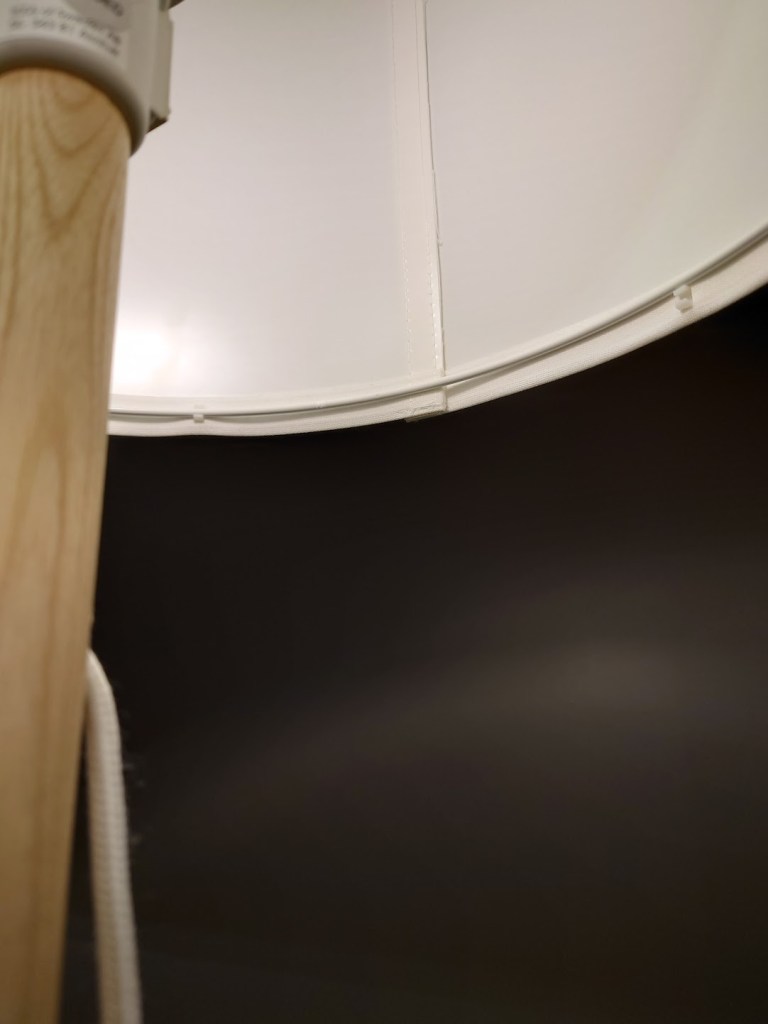
I wondered why this form of making lampshades might exist and then realised it might enable the scaling up of the production.


Normally, the fiddly bit in lampshades is tucking the fabric into the metal frame. Some artisans get over this fiddly bit using a lampshade binder; see Lush Designs in the video below.
Seeing this and other lampshade manufacturing videos made me think of what is possible beyond my art being a hobby and into a full-blown business in the future.
However, a big part of me wishes to keep my hand in the work and mix a combination of digital technology and manufacturing equipment to still allow my items to emit a personality while offering a personal and even bespoke buying service to potential customers.
Although I didn’t make much this week, I made a lot of progress with decisions on what equipment to invest in to increase my making while developing my unique style to more customers.


Great post! It’s interesting to see how Ikea has managed to keep their prices so low, even with the use of plastic clips in the lampshade manufacturing process. Have you considered incorporating any digital technology into your lampshade-making process to increase efficiency while still maintaining your personal touch?
Mr waxixe
https://www.primarytinting.net
LikeLike
Yes I’m beginning to think about digital🤔 Great question, thanks 🙏🏽
LikeLike