Material Abstraction and Belonging: A Visit to the RA

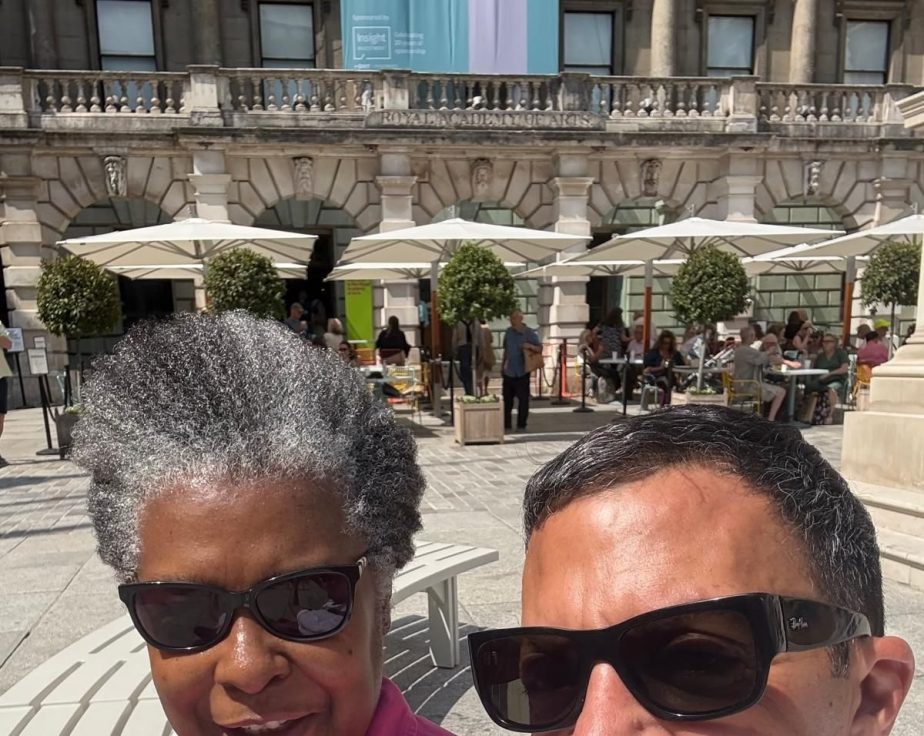
Last week I spent a quiet morning at the Royal Academy. It was one of those visits where you do not go to see art so much as to feel something shift inside you. I filmed a short piece for YouTube called Finding Space at the RA, capturing a moment of stillness in one of the galleries. It was not planned, scripted or staged. It was simply a pause, a breath, inside a room full of colour, texture and human intention.

As someone who works with paint skins, dimensional surfaces and the emotional life of modern work, I am always drawn to spaces where art creates a kind of psychological room. I have been exploring where my work sits in relation to artists like Angel Otero or Kennedy Yanko, and the RA visit helped me feel that connection more clearly. The RA does this beautifully. Even in the busiest exhibitions, there are pockets of quiet where the atmosphere changes and you can sense your own thoughts rearranging themselves.

This visit carried another layer. I have been exploring where my own practice sits within the wider field of material abstraction, especially as I search for other artists who work with skins, poured surfaces and dimensional paint. Walking through the RA, I found myself noticing affinities. The way certain works held space. The way colour behaved under light. The way material choices shaped emotional tone. It reminded me that belonging is not always about finding exact matches. Sometimes it is about recognising echoes.

That is what I wanted to share in the short video. The feeling of stepping out of the noise and into a space that holds you differently. A space that softens edges. A space that lets you think, and lets you locate yourself.

In my own practice, I am exploring how colour, materiality and dimensional surfaces can create that same effect in everyday environments. Meeting rooms, workspaces, places where people gather to make decisions. The RA visit reminded me how essential these moments of spaciousness are. They are not decorative. They are not optional. They are part of how we stay steady, present and connected in the rhythm of working life.

If you haven’t seen the YouTube Short yet, you can watch it here: Finding Space at the RA

I will be sharing more reflections like this. Small moments, quiet observations, and the ways art helps us navigate complexity with a little more clarity and warmth. Sometimes the most meaningful shifts happen in the pauses.

Why this matters

In leadership development and executive learning, we talk a lot about clarity, presence and psychological flexibility. These qualities do not appear out of nowhere. They are shaped by the environments we inhabit. Art can create the conditions for better thinking. Calmer nervous systems. Softer interpersonal edges. A sense of groundedness that supports wise decision making.

If moments like this resonate with you, you might enjoy the chromatic material pieces I am developing for workspaces. Functional sculptures, paint skin lighting and dimensional surfaces designed to bring clarity and emotional presence into everyday environments.

And perhaps most importantly, I left the RA feeling encouraged to submit next year. A small but meaningful step in claiming my place within material abstraction, and continuing the search for where my work belongs.

How Tracey Emin’s Boldness Deepens My Craft‑Led Approach to Art for Workspaces

A visit that opened a deeper connection

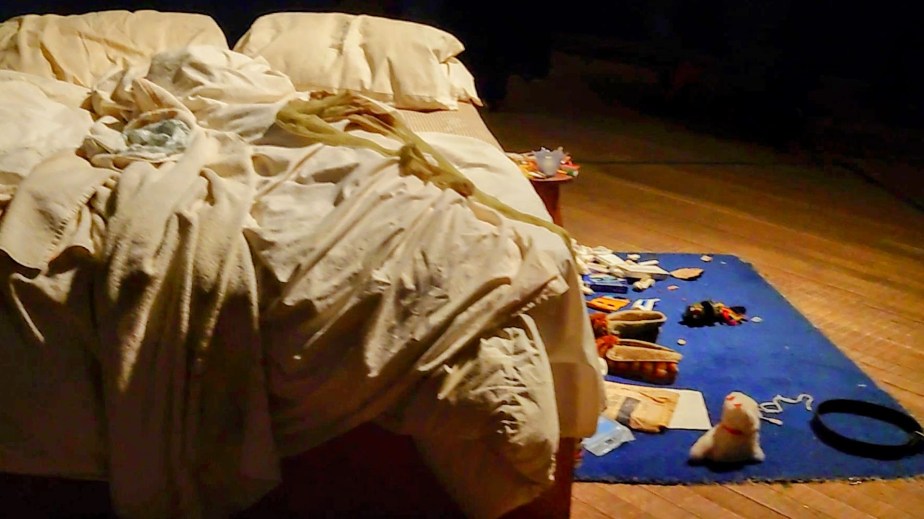
I visited the Tate Modern on a very busy second day of Tracey Emin’s Second Life exhibition. This exhibition runs until August. I went expecting to be interested. However, I did not expect to feel such a strong sense of affinity with her work. Her installation My Bed was there, and I was surprised by how long I stood in front of it. I kept taking it in, noticing the layers, the objects, the emotional charge. There was so much to absorb and I found myself captivated by the honesty of it.

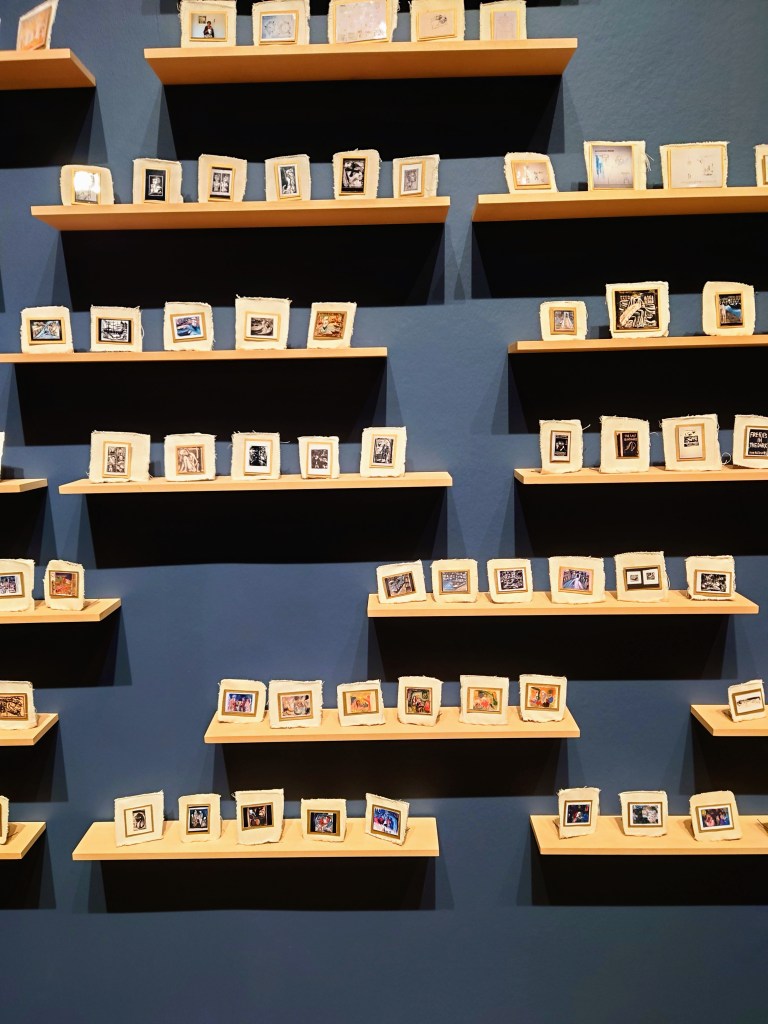
A shelf with blue background featuring  many small miniture artworks of Tracy Emin
Miniature paintings and drawings near the entrance at Tate Modern’s show of Tracey Emin 2026

Craft as a language of emotional honesty

As I moved through the exhibition, I realised how many points of connection I felt with her practice. It was not the autobiographical exposure or the presentation of her physical body. That is not where my own work lives.

Handwritten text and appliqué as emotional markers

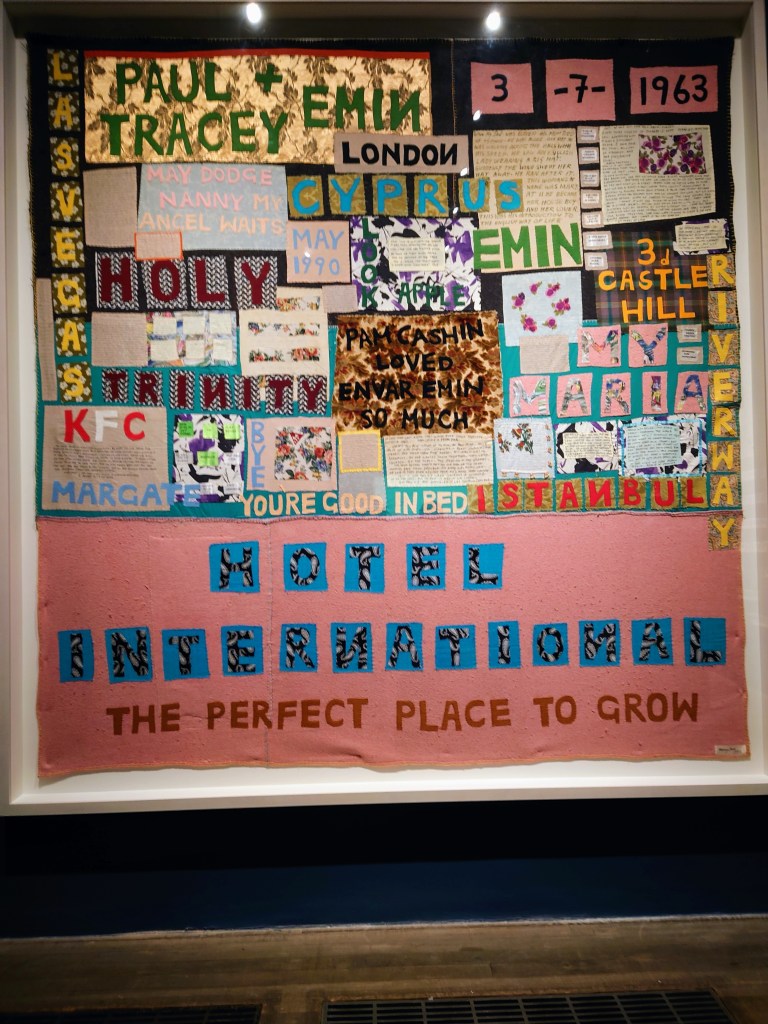
Picture of Tracy Emins artwork which is  blanket with names and dates appliqued. Colours are pink, plue and gold fabric

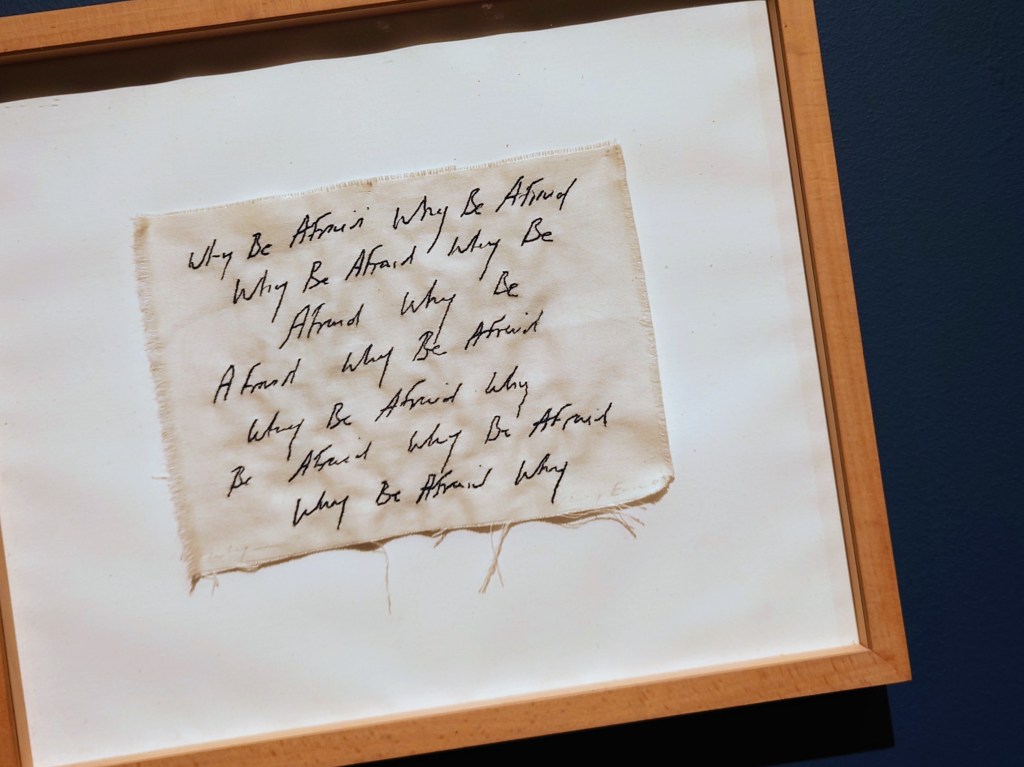
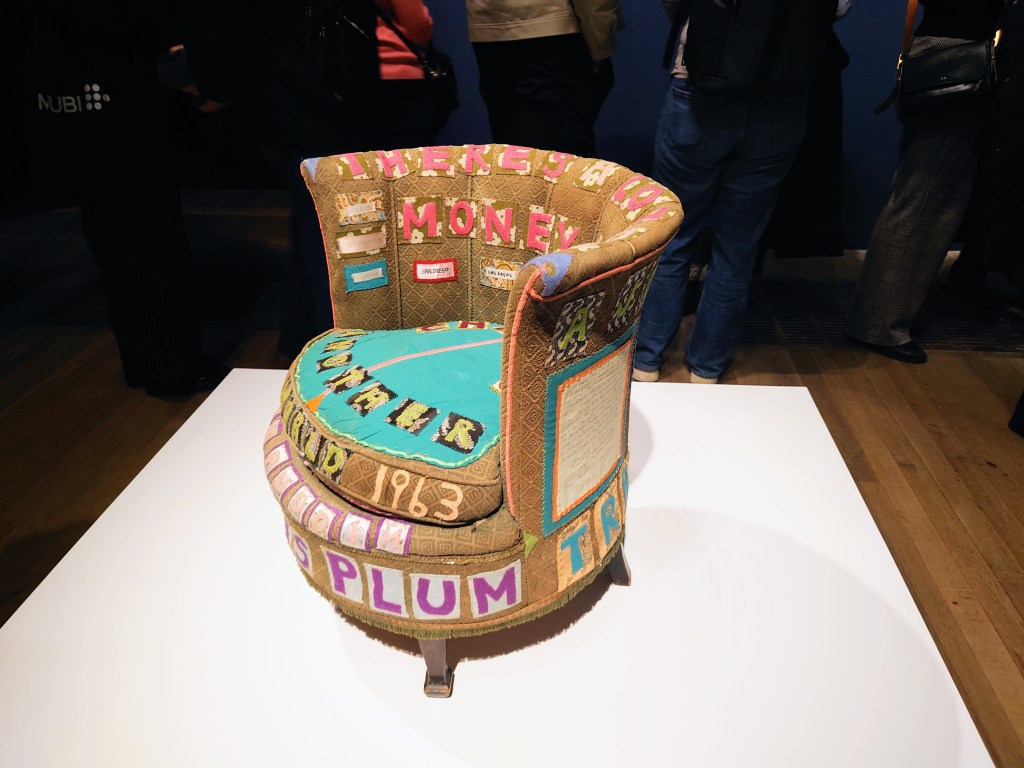
What resonated was her use of craft. The stitching, the embroidery, the appliqué letters, the handwritten text. These are materials and methods I have used quietly for years. I have worked with fabrics, hand sewing, and embroidered photographs. Yet, I have often felt embarrassed about hand stitching. It seemed to belong to a private world that should not be visible in contemporary art. And I was encouraged to see some of the quilters exhibited in USA art galleries like the Smithsonian.

Stitching and embroidery as serious artistic tools

Seeing Emin’s craft presented with such authority changed something for me. Her materials were not softened or made polite. They were not decorative. They were direct, emotional, and unapologetic. Her applique lettering in particular stayed with me. The uneven edges, the rawness of the cut fabric, the sense that the words were lived rather than designed. It gave me permission to explore signage and text in my own work. Her work told me I could do this without smoothing the edges or making everything tidy in my abstract paintings. It reminded me that clarity does not require prettiness.

The expressive power of the drip

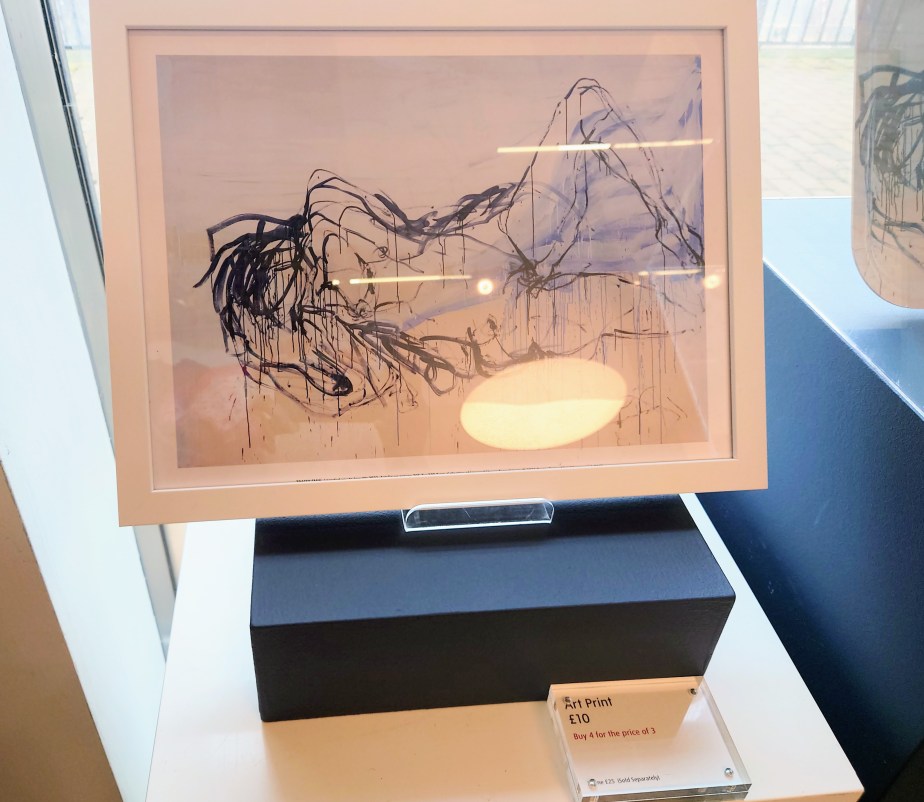
I was also struck by the messy drips running down many of her large scale works. They were not accidental. They were not cleaned up. They were part of the emotional structure of the piece. I use drips too. I learned this technique at the Central St Martins course I attended.

Drips as a truthful response to organisational life

A framed abstract art print featuring flowing black lines and light colours, displayed on a white surface with a black base. A small sign indicates the price.
An expressive art print showcasing abstract lines and drips, reflecting emotional depth and honesty.

I often worried that poured pains and drip work make my work look messy or unfinished. But standing in front of her canvases, I understood something important. The drip is not a flaw. It is a form of honesty. In my own practice, the drip acknowledges the realism of organisational life. The parts that are gory, unpredictable, complex, and resistant to cosmetic treatment. To restrain my mark for the sake of prettiness would mean participating in a surface level gloss. This gloss often hides how work actually feels. Emin’s drips reminded me that boldness is not about being loud. It is about being real with the marks.

Where our practices diverge

There are places where our practices diverge. Emin uses her body as a site of truth telling. I use materiality. She reveals the self directly. I reveal it through construction, colour, texture, and layered surfaces. But the emotional triggers behind the work feel familiar. The lived experiences. The internal negotiations. The moments of rupture and repair.

Unmade bed with crumpled sheets and pillows, surrounded by scattered items on a blue rug, including toys and miscellaneous objects.
Tracey Emin’s impactful installation ‘My Bed’, featuring rumpled bedding and scattered personal items, encapsulating emotional honesty.

My work expresses these themes through abstraction and craft. This approach differs from confession. This difference helps collectors understand the kind of presence my work brings into a room. It is not autobiographical exposure. It is emotional resonance.

What this means for art in a home office

As I left the exhibition, I wrote in the visitors book. I wrote about boldness. I wrote about hope. I wrote about the relief of seeing craft treated as a serious artistic language. And I realised that this is exactly what I want my work to bring into someone’s home office. Pride in who they are and how they work. Courage to express their own boldness. Recognition of the complexities of business, economics, and organisational life. Colour and texture that shift the emotional temperature of a room. A sense of companionship from a piece that understands the messiness of ambition.

For some people, this will be a small, bright artwork. It sits on a shelf or desk and lifts the atmosphere of the space. For others, it will be a larger commissioned piece. It transforms a moody or neutral room into something alive. The room becomes grounded and emotionally intelligent. Both are part of the same intention. To bring honesty, colour, and courage into the spaces where we think, work, and make decisions.

Closing reflections on boldness and presence

Emin’s exhibition helps me see my own practice differently. It shows that it sits within a lineage of artists. These artists refuse to tidy the truth. The stitches, the drips, the uneven edges, the layered surfaces. These are not imperfections. They are evidence of a life being lived and understood. They are reminders that work, like art, is rarely neat. There is beauty in acknowledging that messiness. It might sit quietly as a piece of original art on your shelf.

Art that shifts the emotional temperature of a workspace

If you want a piece that brings this kind of presence into your home office, explore the smaller works. They are ready to place on your bookshelf.

If you are imagining something larger and more personal for your space, I would be glad to discuss a commission.

I hope this reflection on Emin’s boldness inspires you to bring a little more of your own boldness into the room where you work.

A Night of Jazz, Art, and Warmth at Ladbroke Hall

A Welcoming Evening of Music and Old Friends

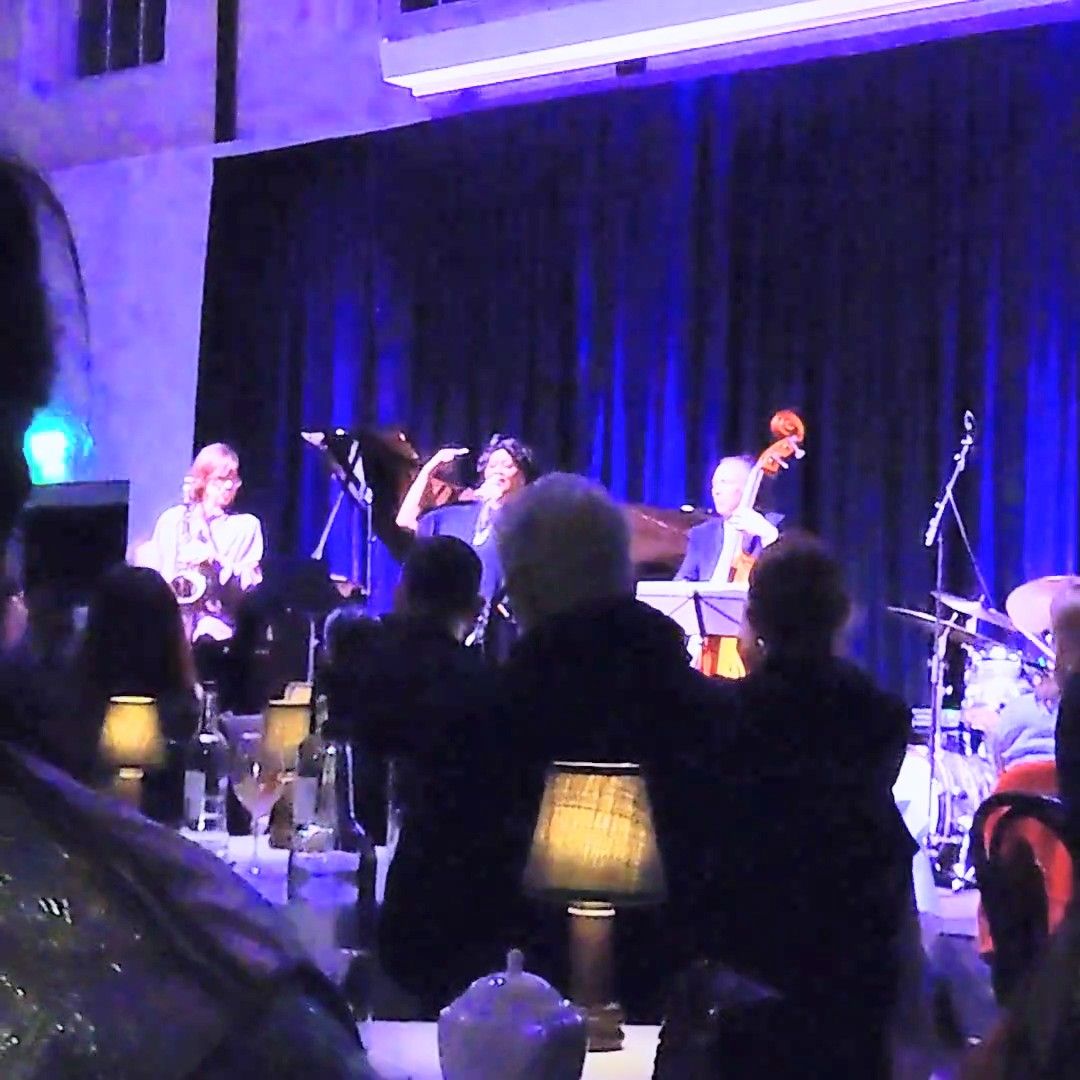
I spent a wonderful evening at Ladbroke Hall, catching up with old friends and soaking in the warm, generous atmosphere. Even with a little drama around our drinks, the night felt full of charm, connection, and unexpected insights. The jazz musicians were exceptional, and the space itself — with its lighting, décor, and art — offered endless inspiration.

The Music That Set the Tone

One of the highlights was the bass player, who delivered several impressive solos early in the set. A friend sitting beside me was fascinated by how confidently he stepped forward so soon in the performance. The singer also captivated the room. She performed several Ella Fitzgerald classics and shared stories from her school days as a young vocalist.

She spoke about her work with David Attenborough on TV soundscapes. She told a humorous story about performing My Heart Belongs to Daddy at the Savoy. There was one woman who wasn’t amused. These personal touches made the performance feel intimate and alive.

Enjoying the Jazz ambiance and thoughtful lighting at Ladbroke Hall

The Drinks Drama (and a Lesson in Service)

Our drinks, however, took 90 minutes to arrive. We watched servers glide past with trays of ginger ale and desserts for friends who joined us later. Our own orders, a virgin mojito for me and a cosmopolitan for my friend, remained mysteriously absent.

Eventually, a kind server stepped in, sorted everything out, and even offered us complimentary drinks. The manager became involved too, which added a layer of tension to an otherwise relaxing evening. Still, the staff’s dedication and the server’s kindness stayed with me long after.

Art, Décor, and the Beauty of the Space

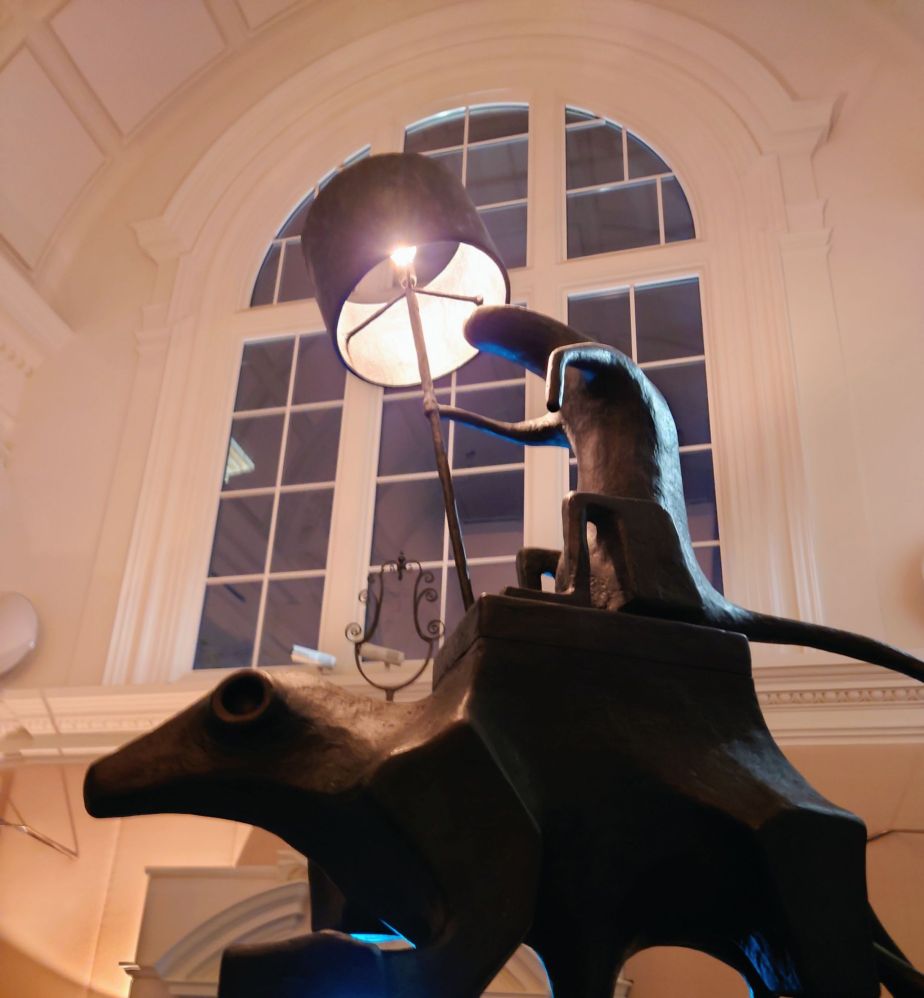
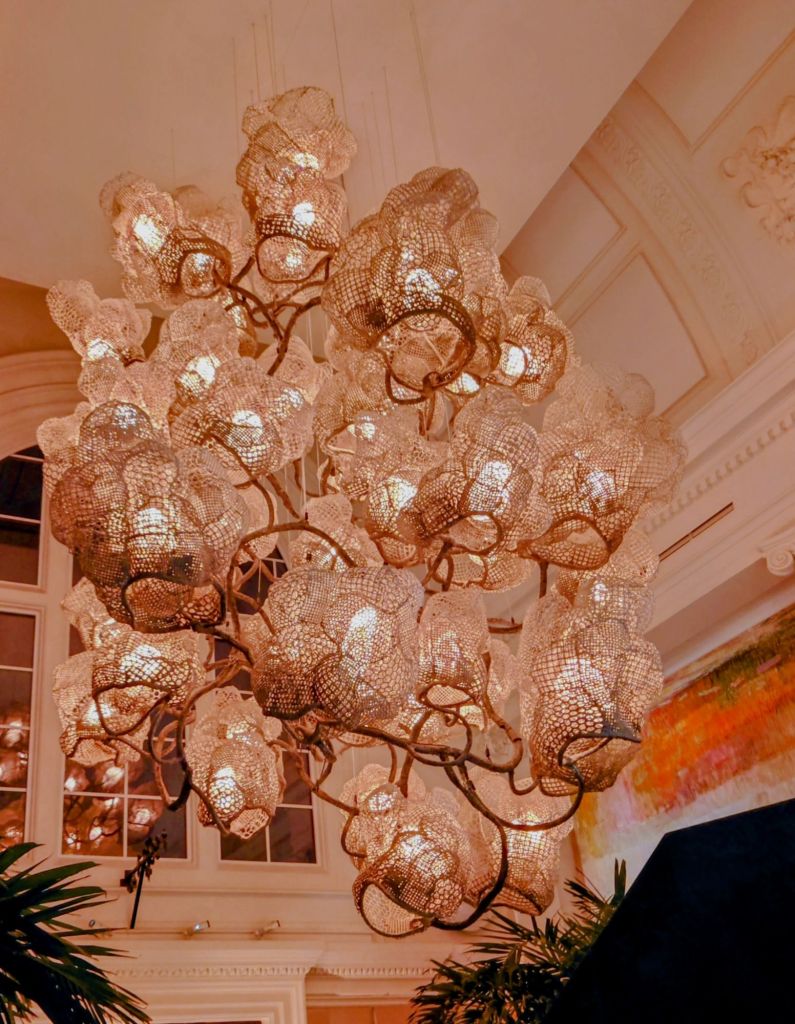
I was drawn to the lighting as always. It shaped the room. It softened edges. It created pockets of intimacy. Ladbroke Hall is full of intriguing decorative pieces. These range from the giant Sunbeam car emblem on the staircase wall to the sculpture of a chimpanzee in chains.

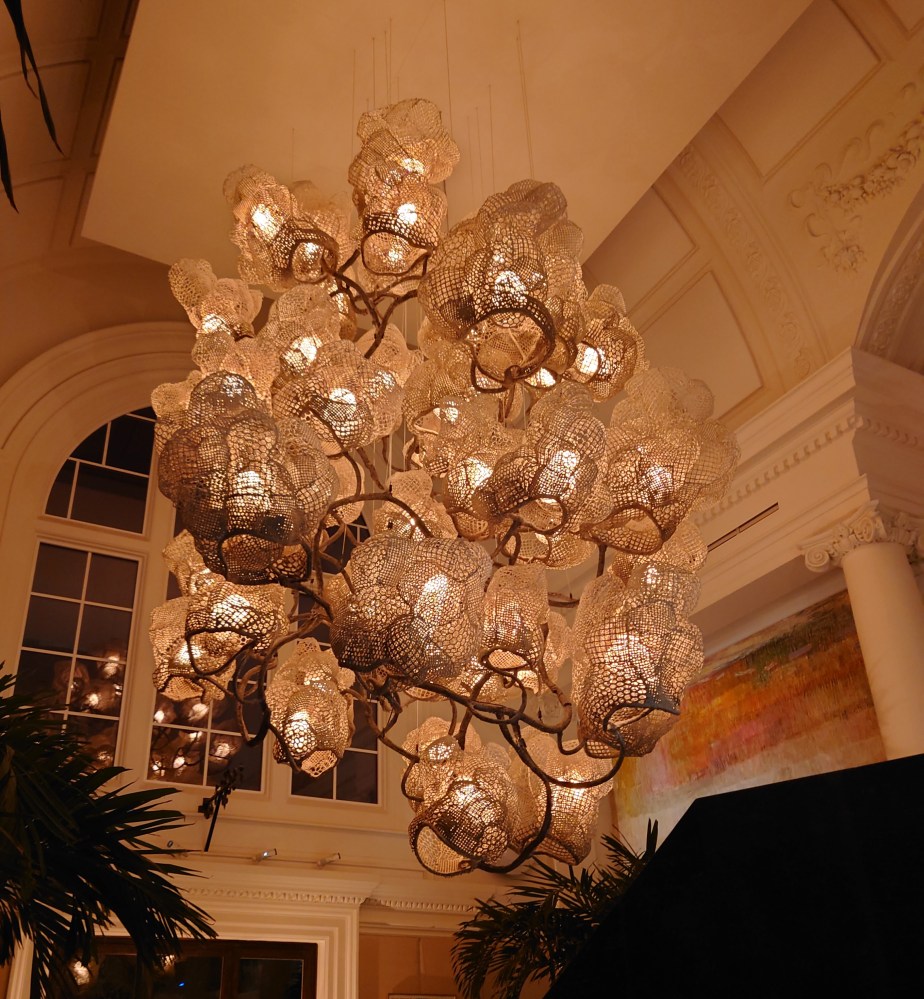
One of the sculptured lighting installations at Ladbroke Hall

As an artist, I’m always curious about how spaces hold stories. The symbolism and boldness of these pieces felt like a quiet conversation with my own work. This is especially true for my ongoing exploration of presence. I also focus on emotional resonance and the power of motifs.

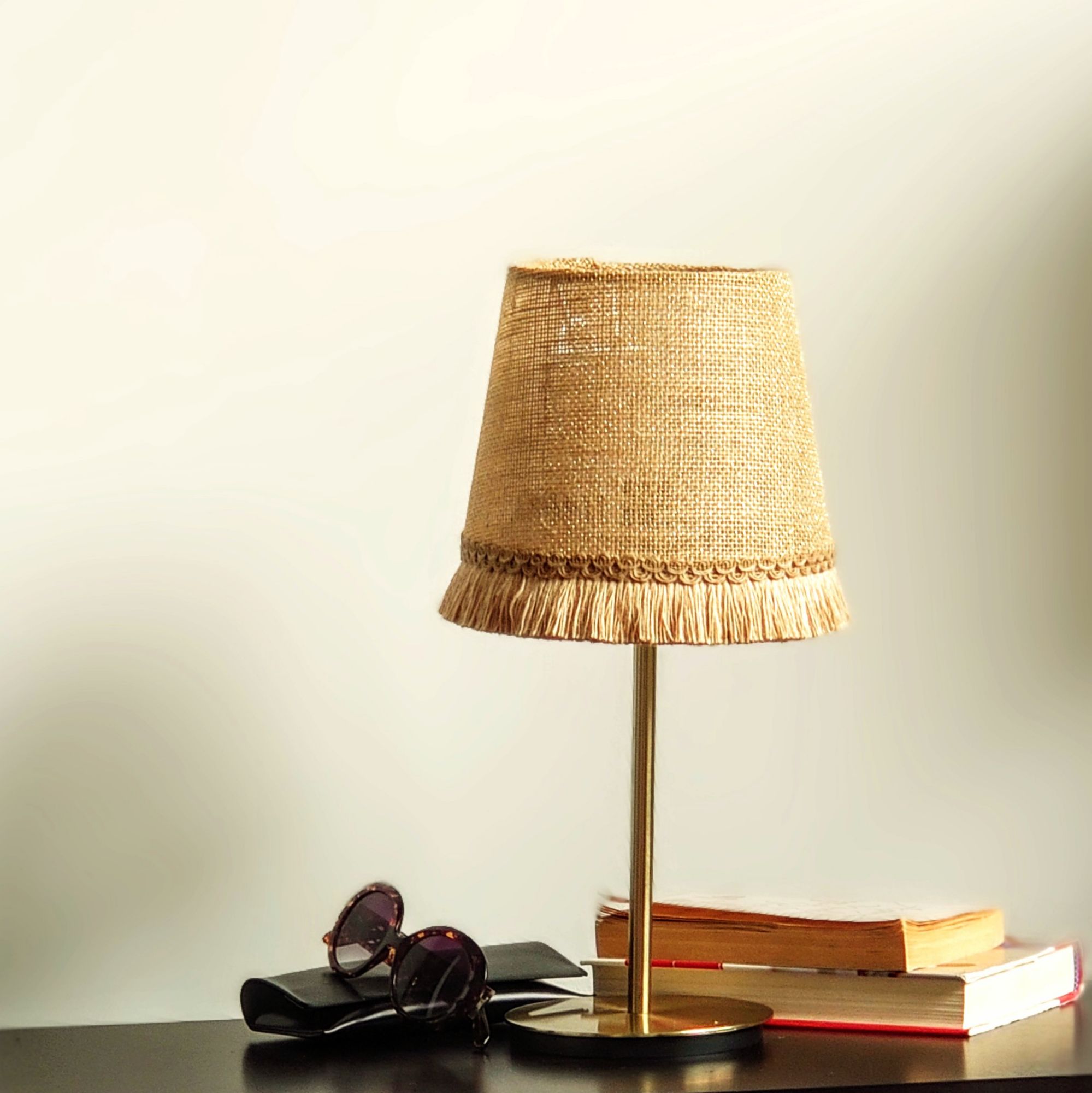
I particularly liked how their main lighting installation in the reception area used natural organic fibers.

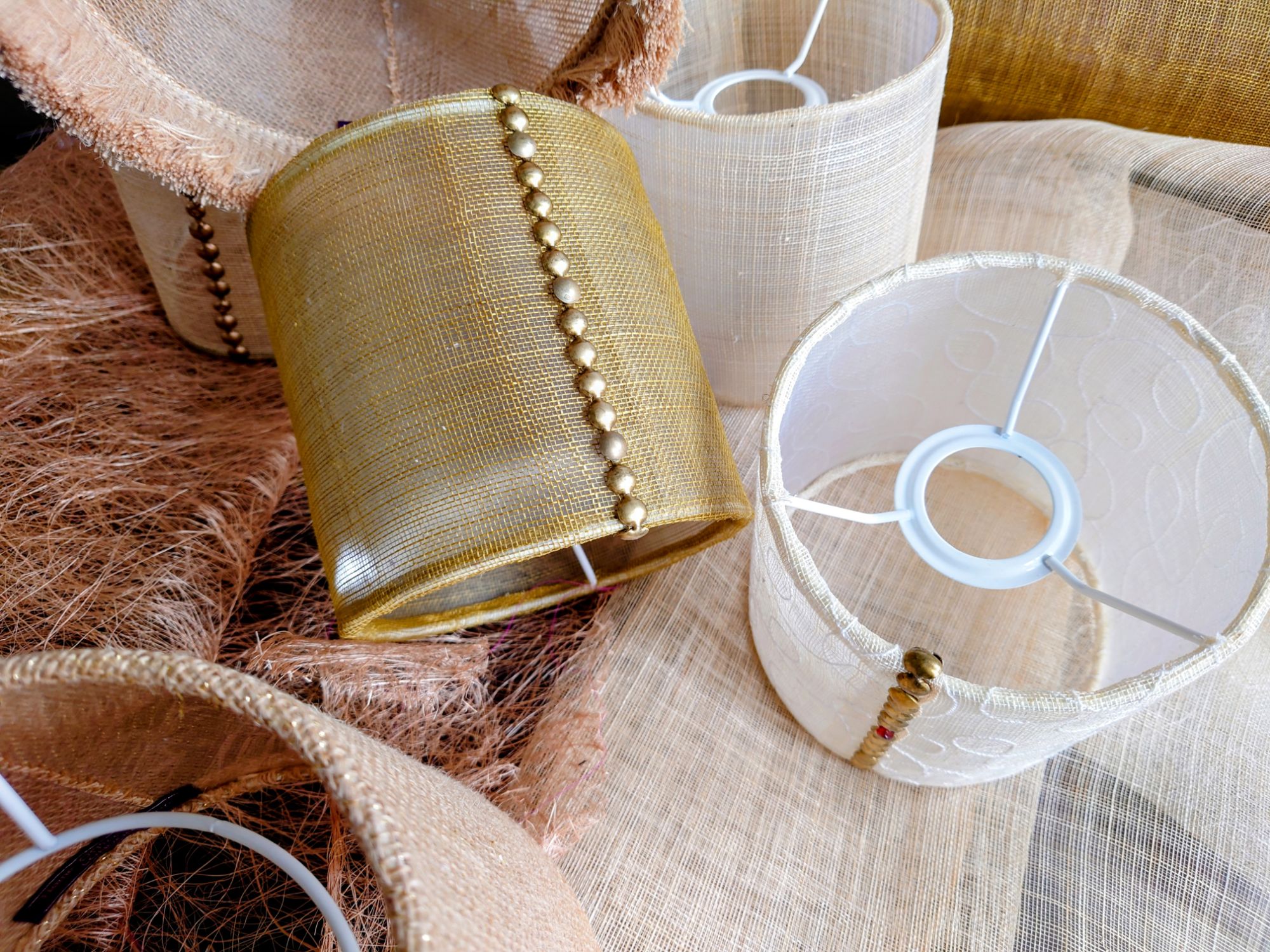
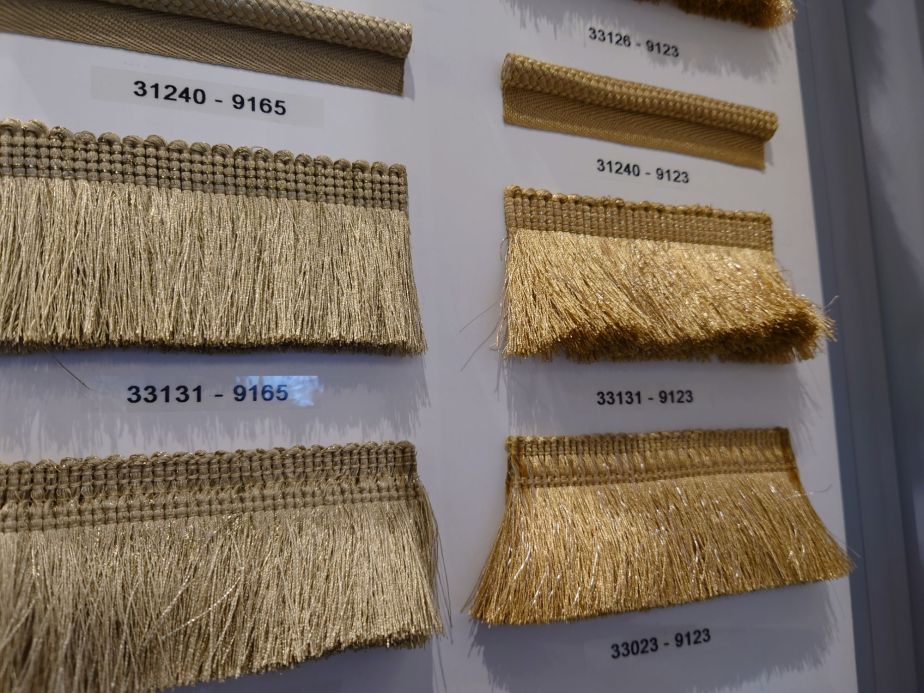
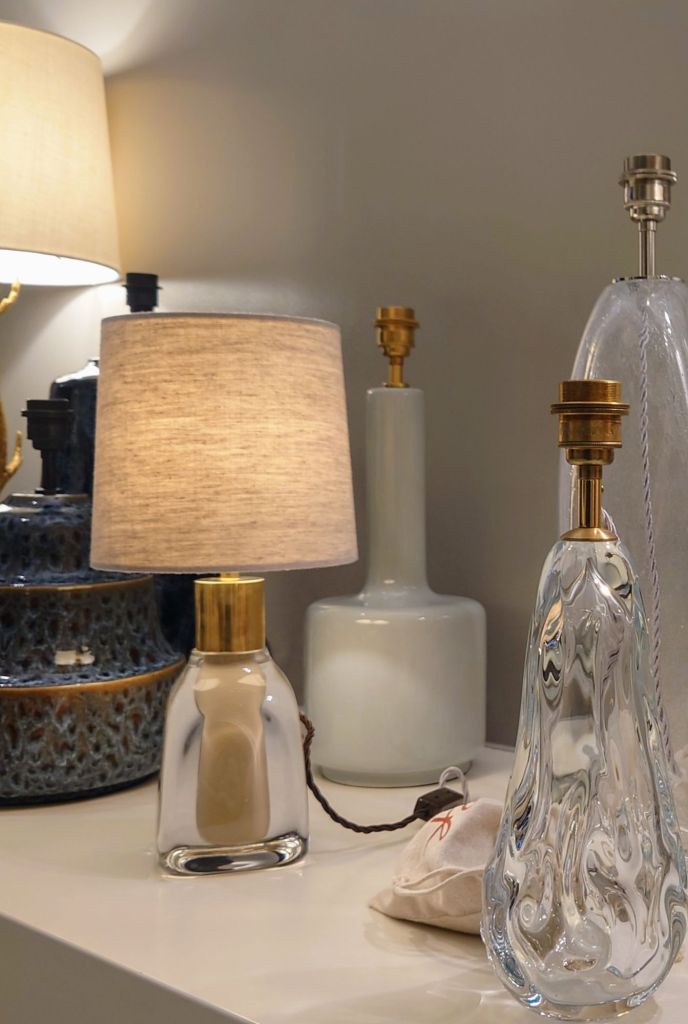
I use these natural materials extensively in my Sinamay lampshades as well. The gallery below shows how the natural fibers influence lighting and interior vibe right now.

I’m told there’s a beautiful garden on site. There is also an art gallery. I’m already planning a return visit to explore more of the collection.

A Personal Insight on Dedication and Care

One of the most striking aspects of the evening was the attentiveness of the ushers. You give your name at the entrance, and someone personally guides you to your seat. The usher supporting our section must have climbed that long staircase dozens of times. His energy and commitment made me feel genuinely valued.

I even promised myself that if I bumped into him on the way out, I’d ask about his step count. That job must keep you incredibly fit.

Experiences like this always feed my creative practice. They remind me why I’m drawn to creating art that blends presence, symbolism, and emotional connection. Spaces that make you feel both held and inspired have a way of staying with you.

Planning My Next Visit

I’d love to hear about your own experience of Ladbroke Hall. Did you enjoy the music, the restaurant, the gallery, or the gardens? Your insights might help shape my next visit. I’m eager to explore the gallery and see more of the art collection.

If you want to browse my natural fiber lighting section in my Etsy shop, please click on the button below

Workplace Themes in Akram Khan’s Giselle Performance

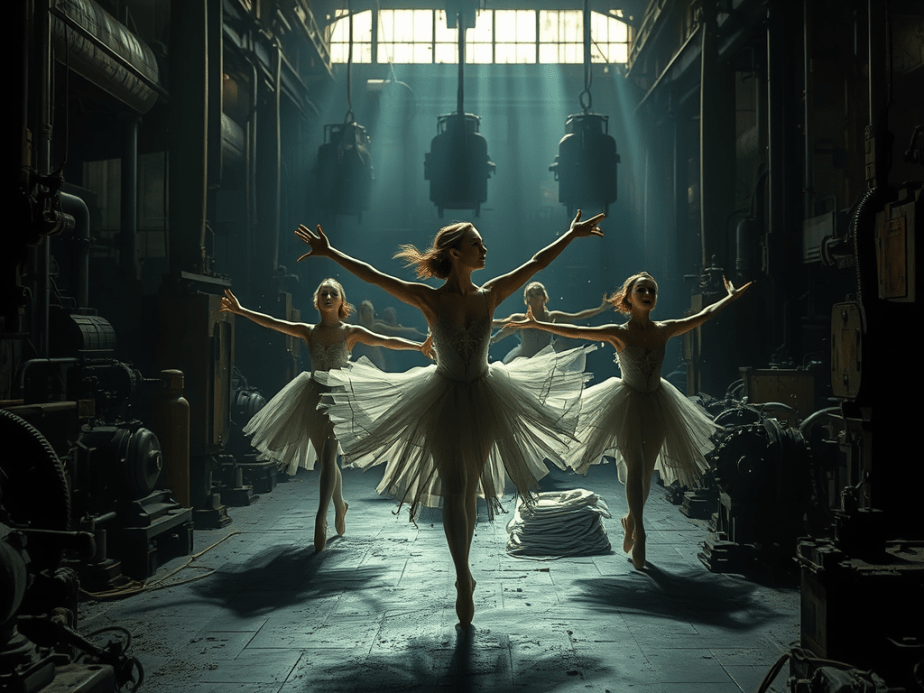
Yesterday I attended the English National Ballet performance of Akram Khans rendition of Giselle.

It was their final day, and I saw the matinee at 2 pm. I know the original ballet and have seen it at The Royal Opera House. I was mesmerised by the set and the striking choreography.
I especially connected with the reworked storyline. It was set in a factory. The themes about workplace atrocities were strong. The Willis, who are ghost-like characters, were portrayed as the ghosts of workers harmed by their workplaces. This was instead of the original, where they were the spirits of women wronged by their betrothed.

The reworked story resonated with me. It empowered me to continue creating art about how people struggle with workplace relationships and power dynamics. It is indeed OK to show that struggles occur amid toxic work environments. They occur because of the wrangling within their organisation.
The reworking of the Giselle story encouraged me. It showed that creating artworks based on something quite commercial and industrial is not that new and is very possible. Art can highlight the ugly side of human behaviours well while still being portrayed beautifully through art.

If you would like to see the art I created for a home office bookshelf in this vein, you can find it in my shop. The art reflects this style. These nod to the cultural complexities in workplaces. Please click this button to find them in my shop.