
Who would have thought that Margate would be where I would discover a gallery floor full of art about the black lived experience. This blog tells the story of what I discovered and what it meant to my own future art practice, especially when considering how and where I would like my art displayed.
I questioned whether Margate was appropriate for showing art about black heritage and black artists because the UK seaside town is not particularly known for its diverse population. In fact, a recent Google search shared this result for the diversity of Margate; it said.
| White | 58,183 |
| Asian | 1,527 |
| Black | 875 |
| Arab | 112 |
Black Lives Music: Matter to Culture
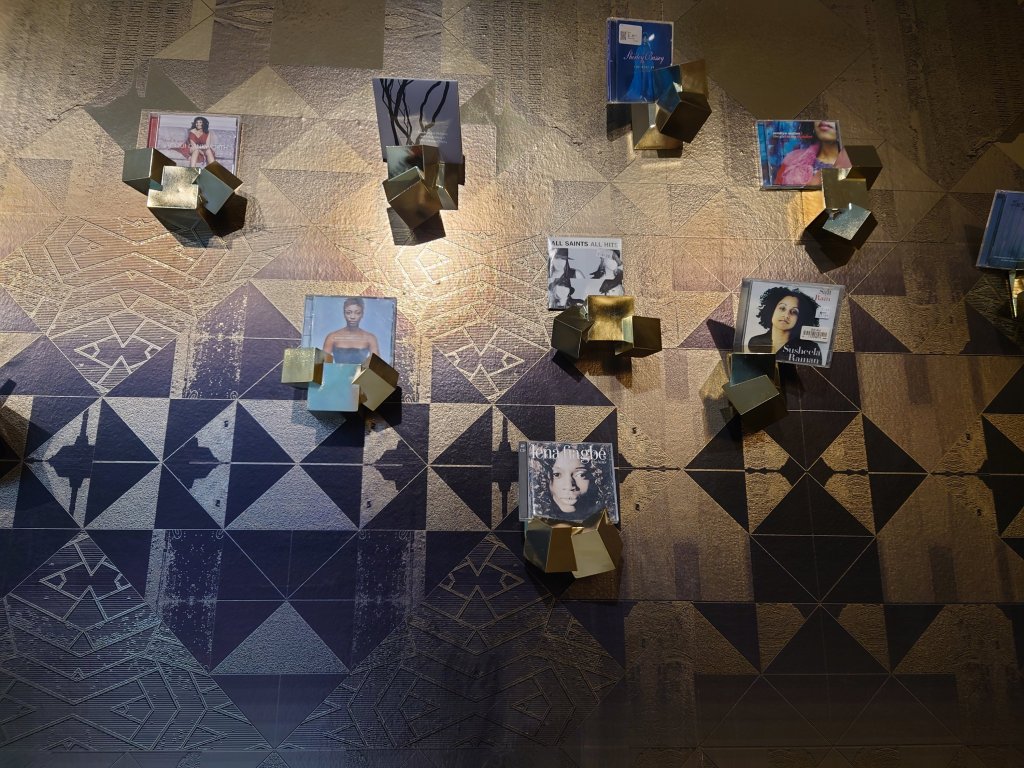
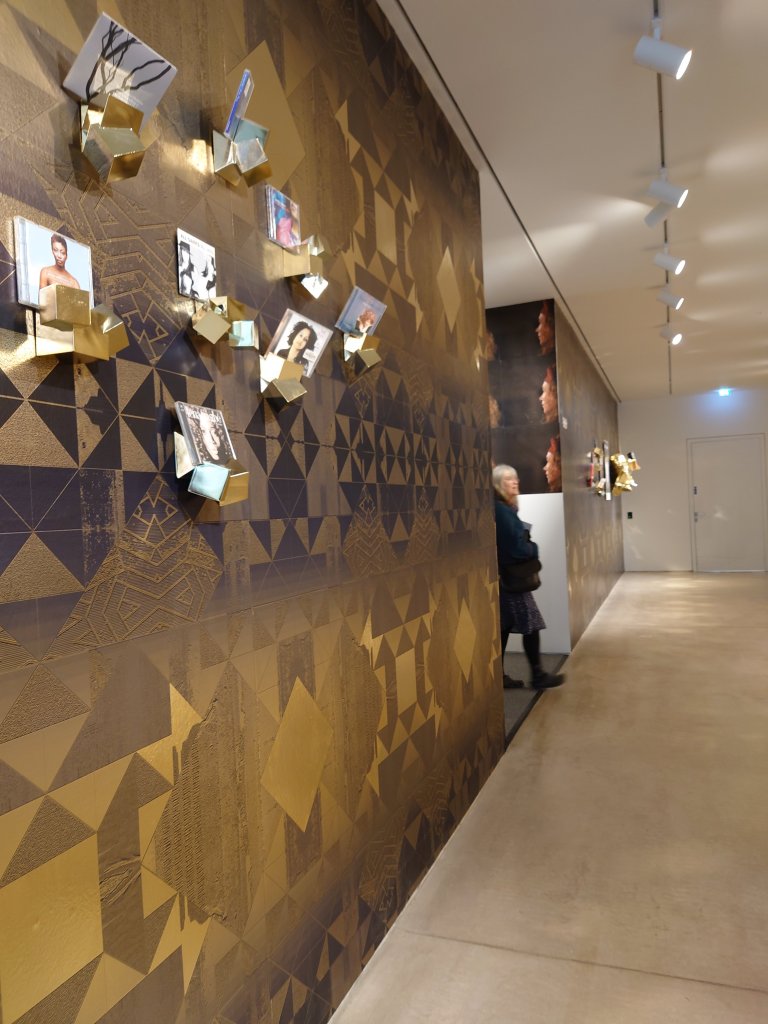
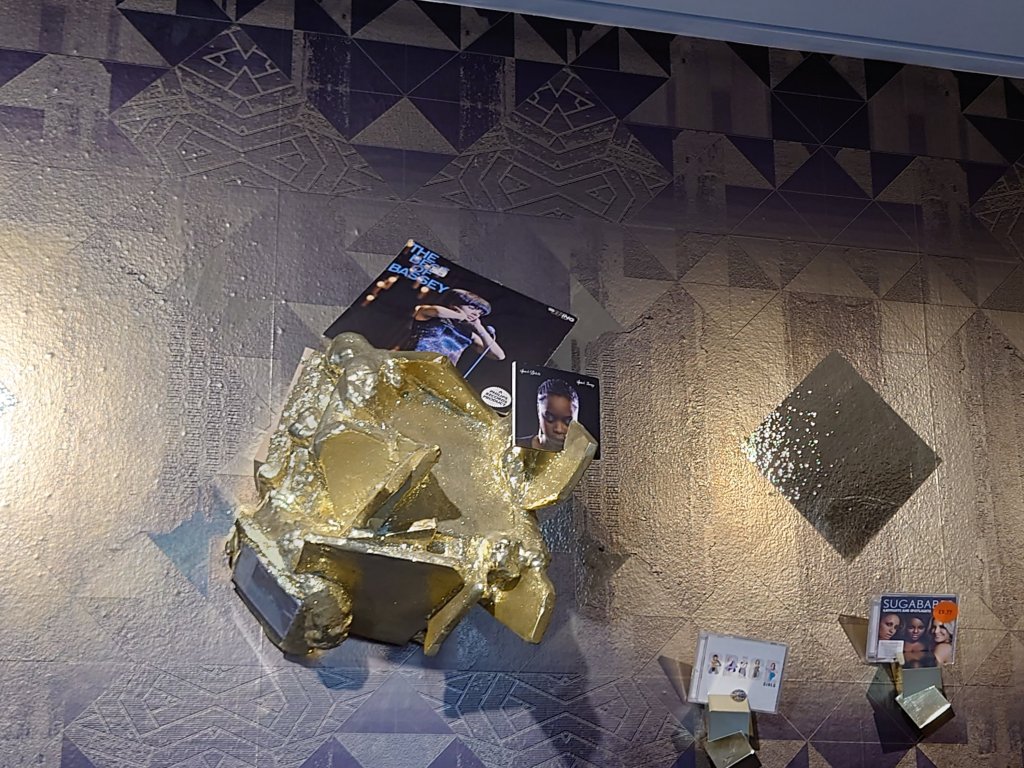
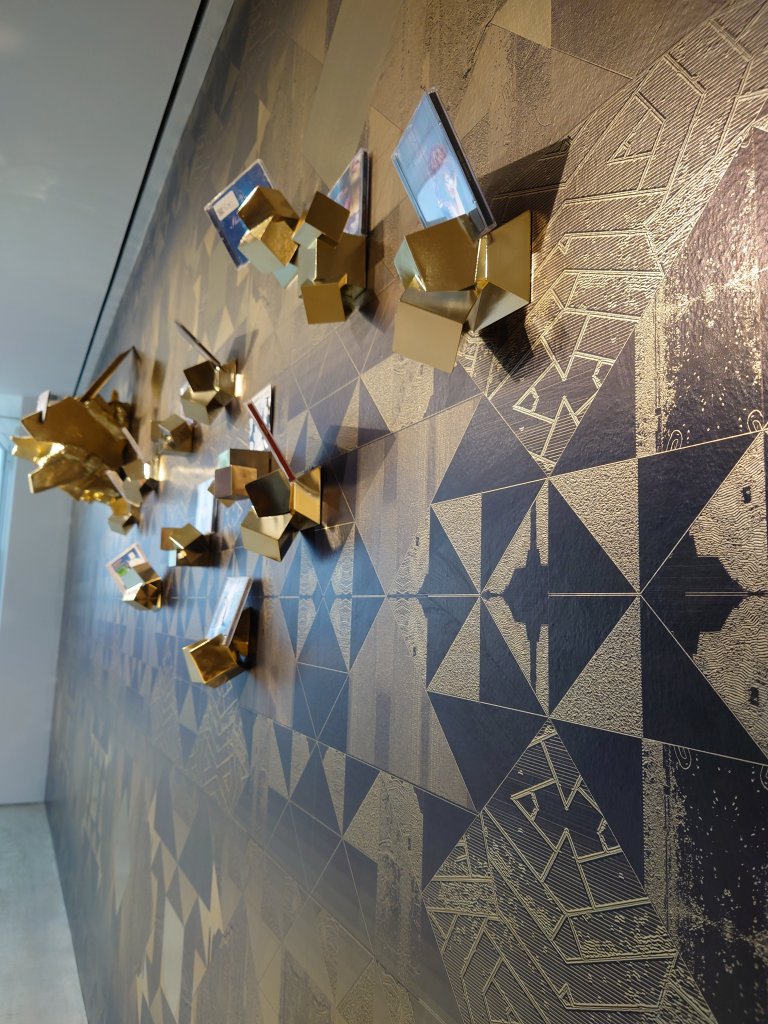
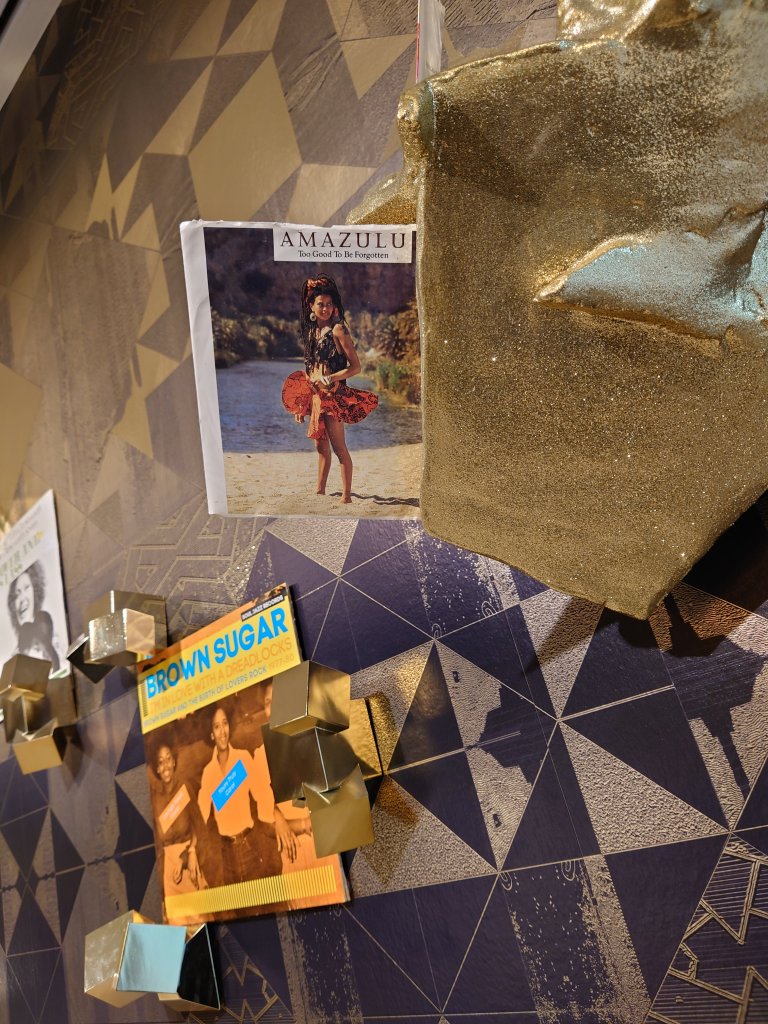
Nevertheless, it was amazing to discover the fantastic work that won the 2022 Venice Bienalley Sonia Boyce: Feeling Her Way exhibit and was transplanted to Margate. Her work spectacularly portrays black female singers that she and the rest of us of a certain age grew up with. I can see why it won the prize it was very colourful. I liked that it was brave to show so many big splashes of gold in the age of quiet Scandinavian minimalism. I also liked how the movies took us behind the scenes of the various singers’ worlds so we could awe about their practice.
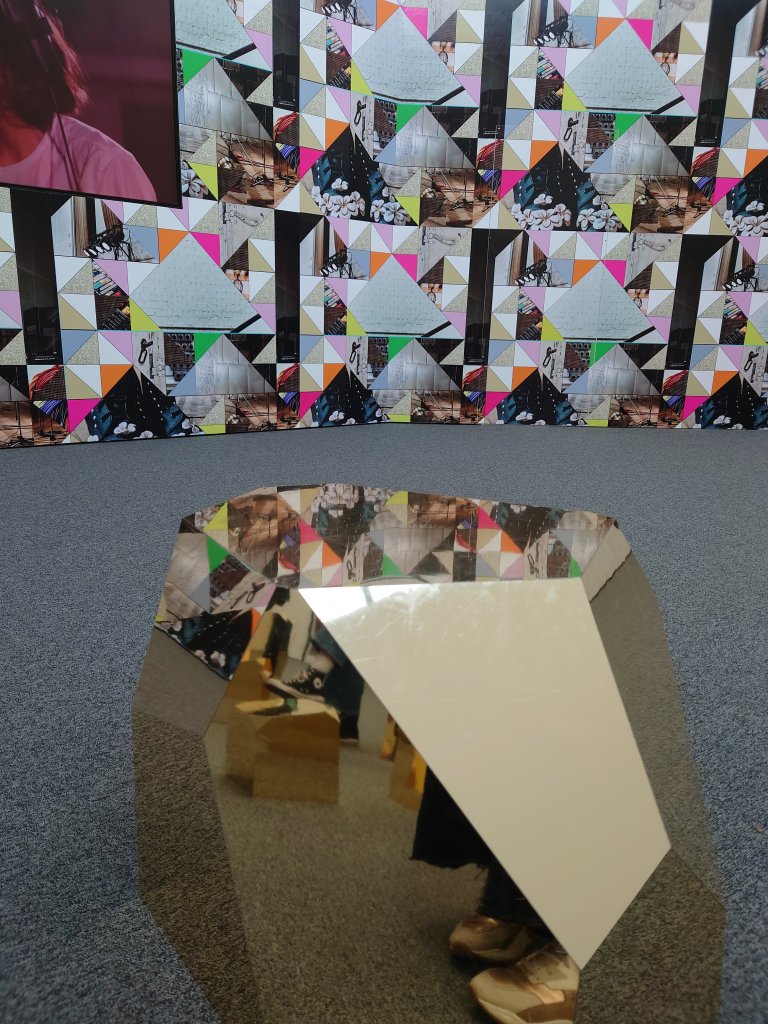
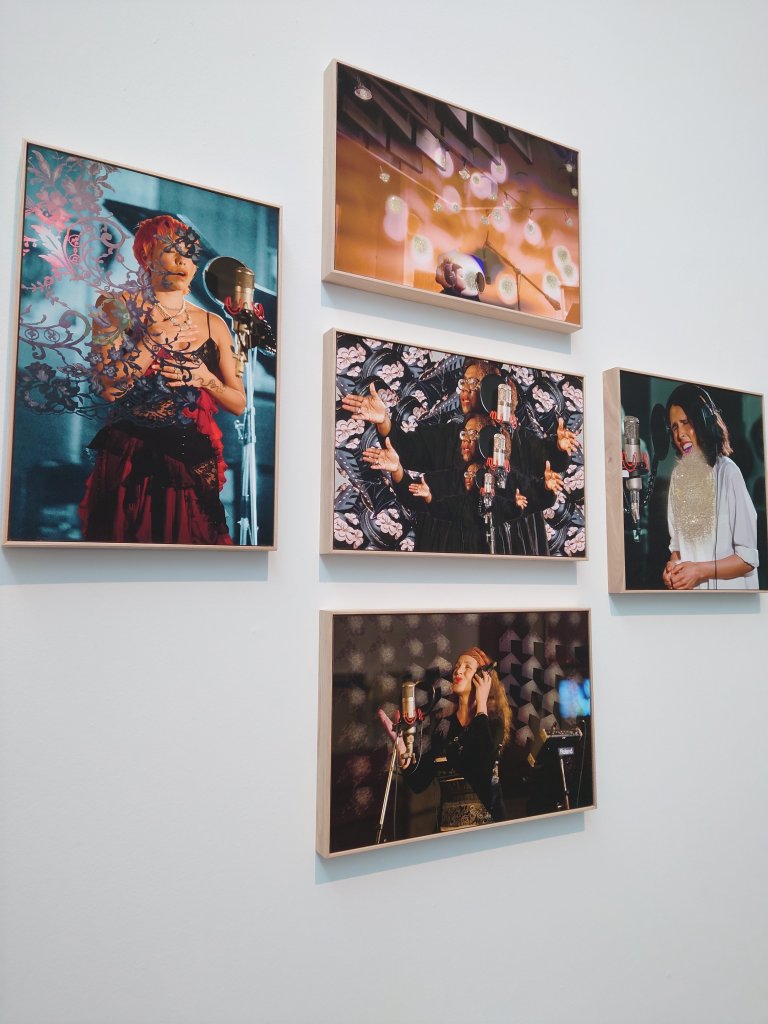
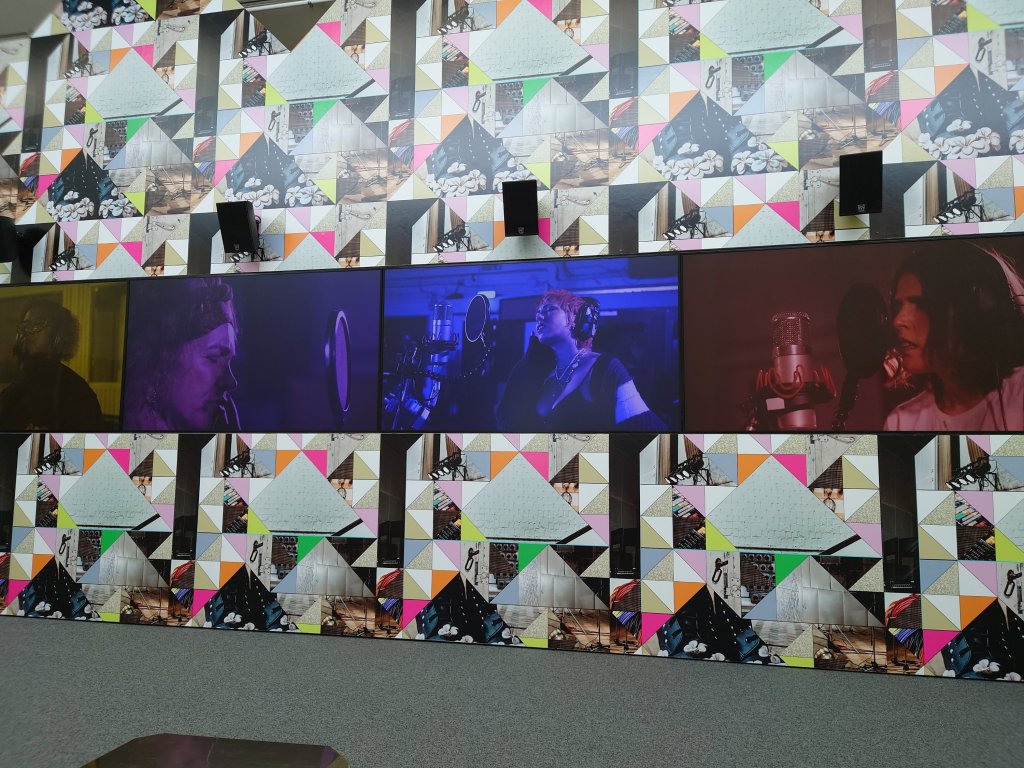
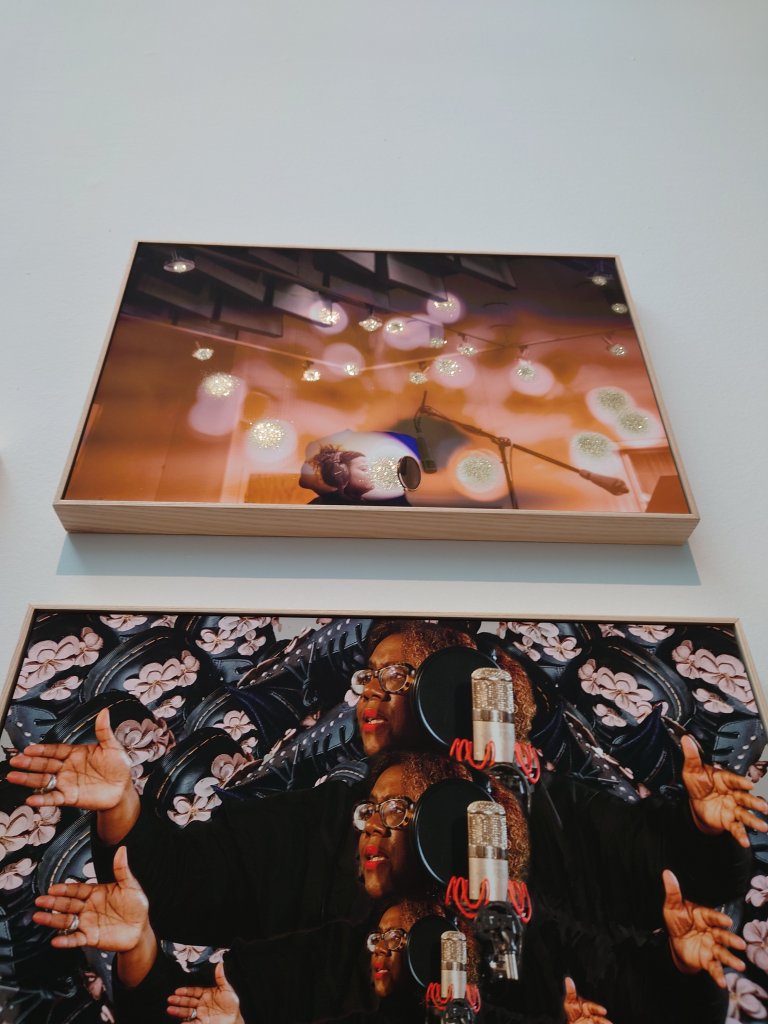
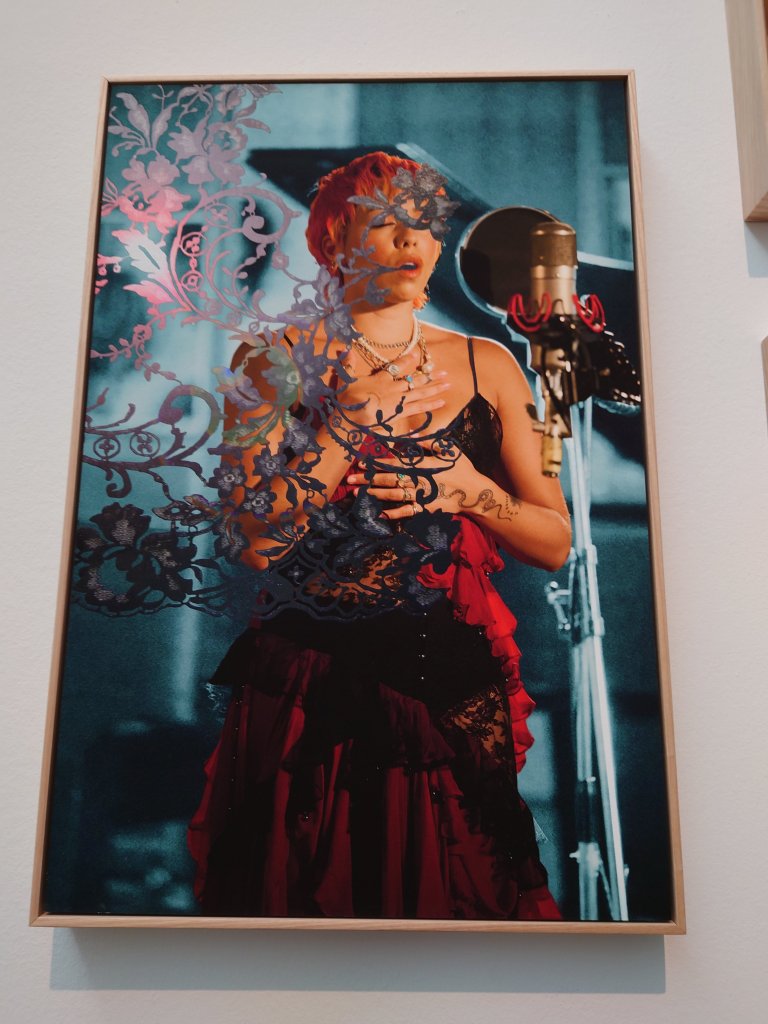
I heard one or two people leaving saying they didn’t get it or shrugging their shoulders in the same vibe.
But many of us sat and enjoyed the sounds. And all those I spoke to said they liked the one with the LPs, disc covers etc., the best.
Black Lives Ramsgate: Telling about an area in an era
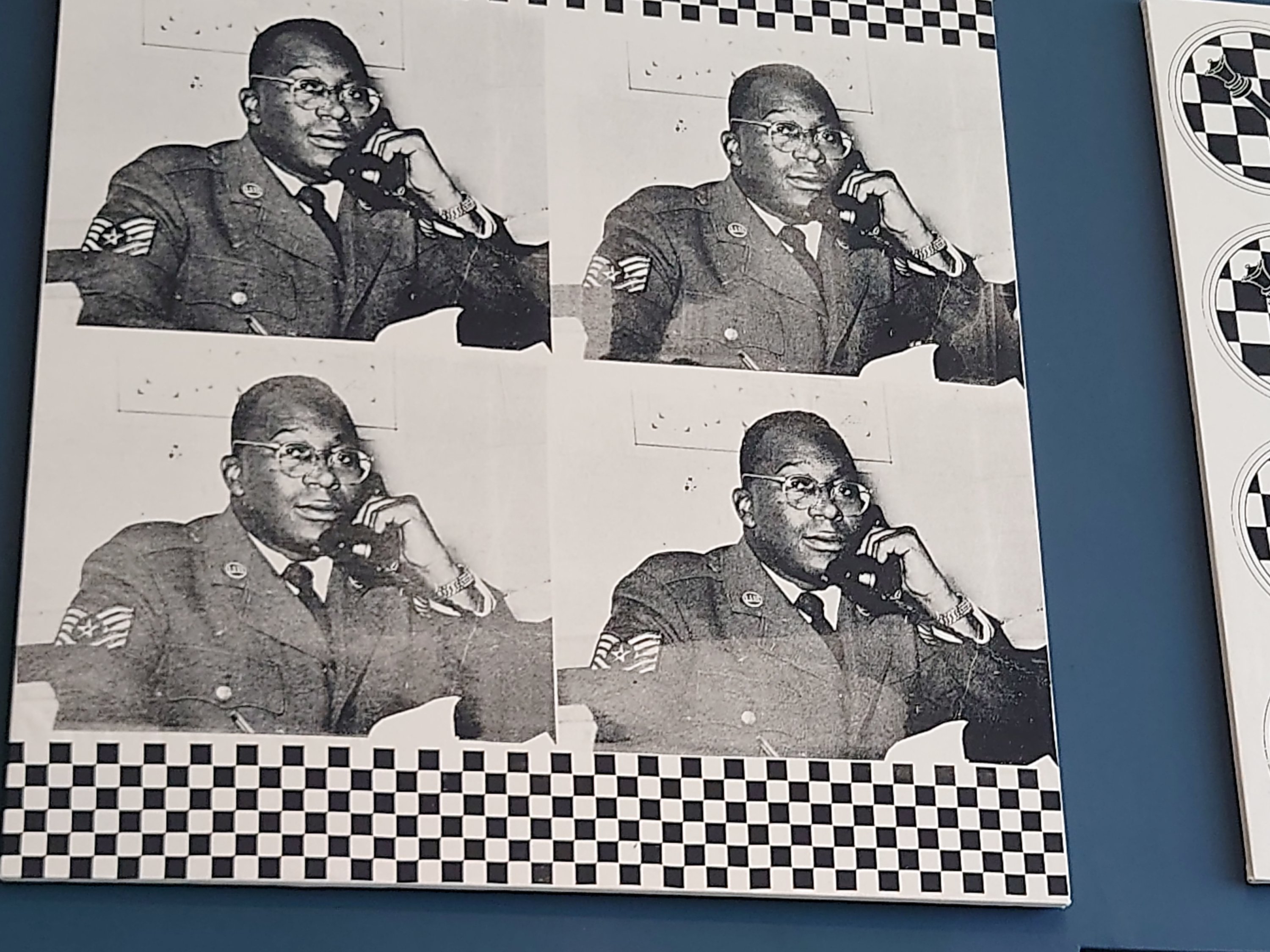
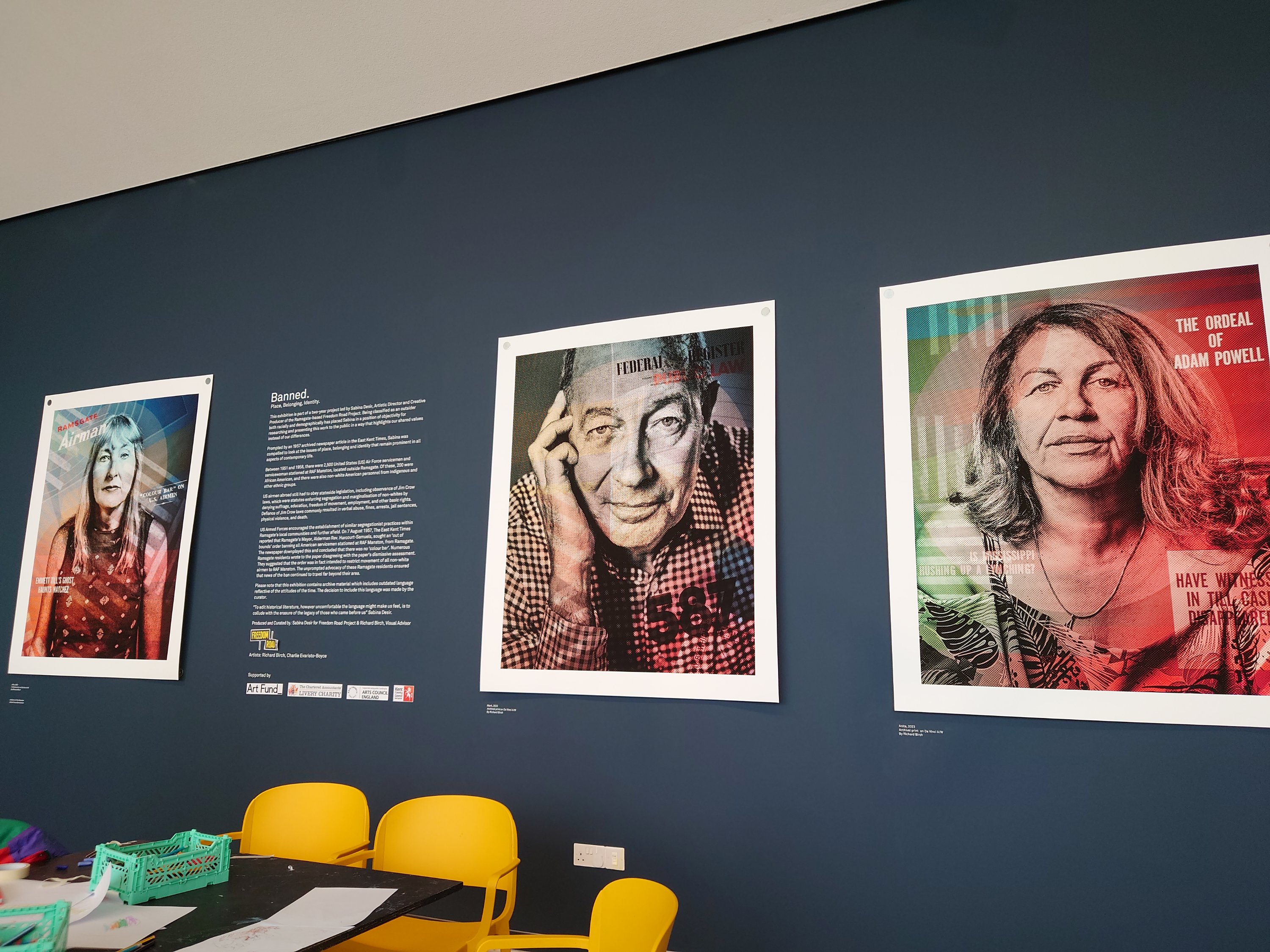
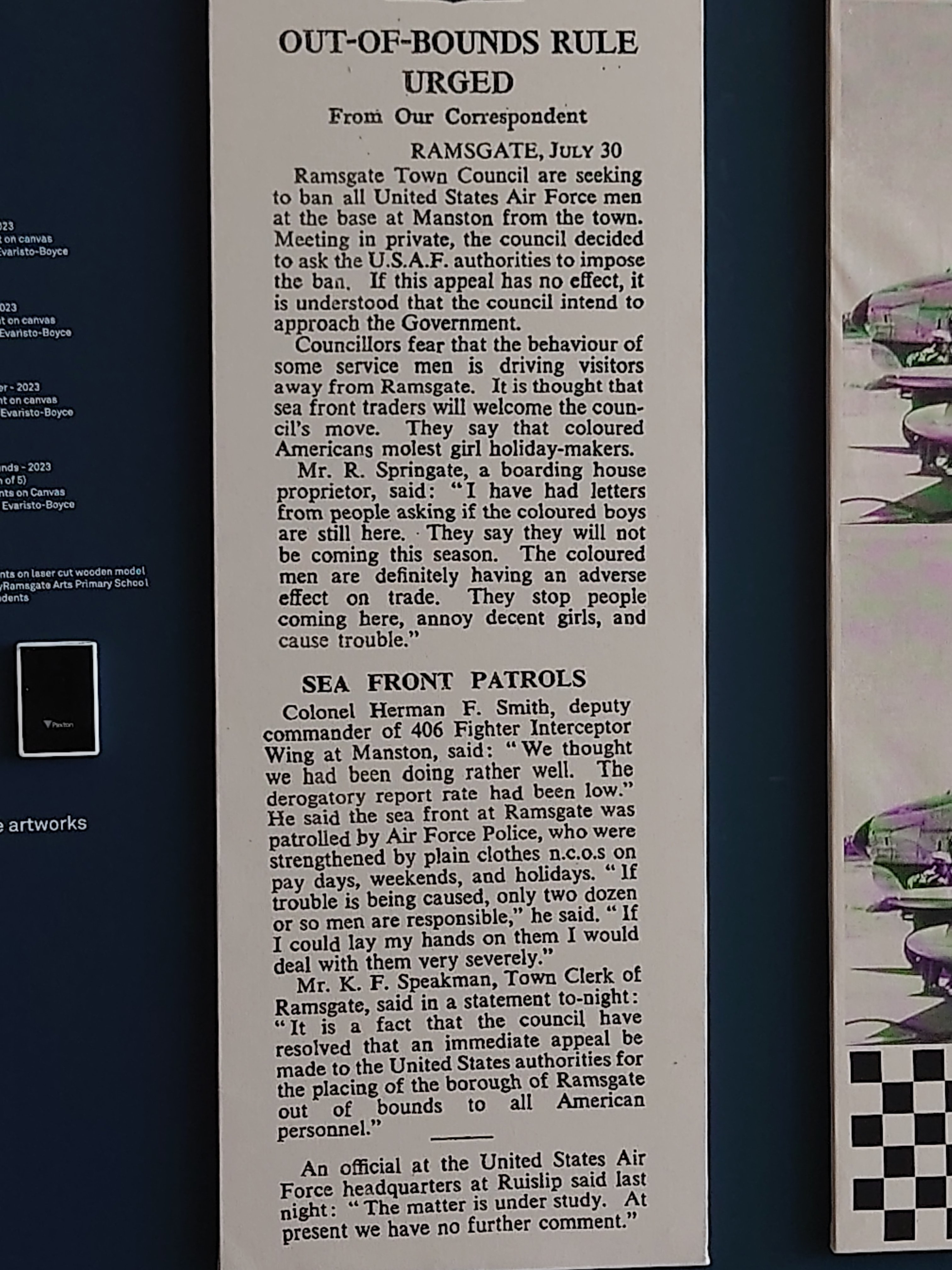
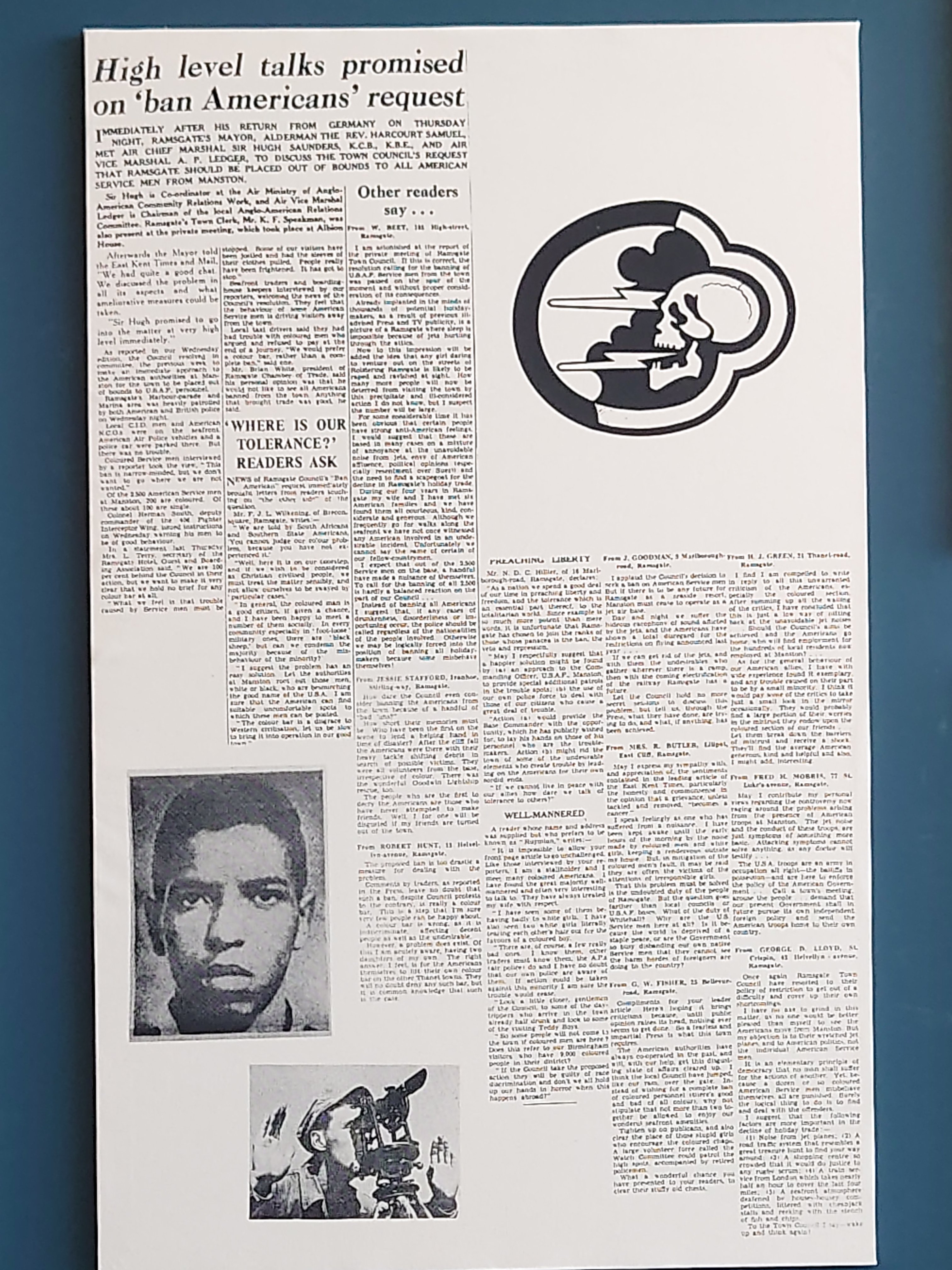
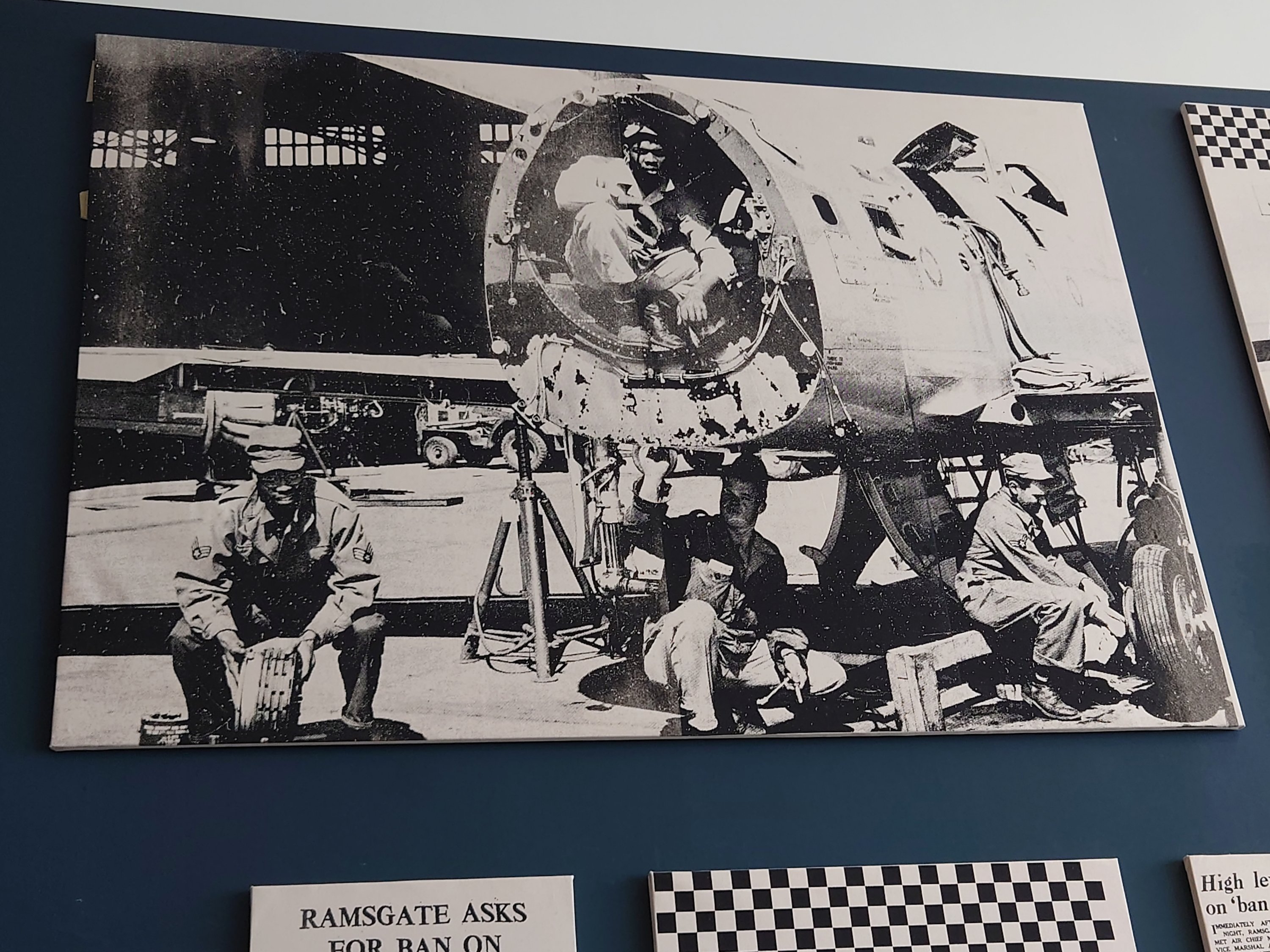
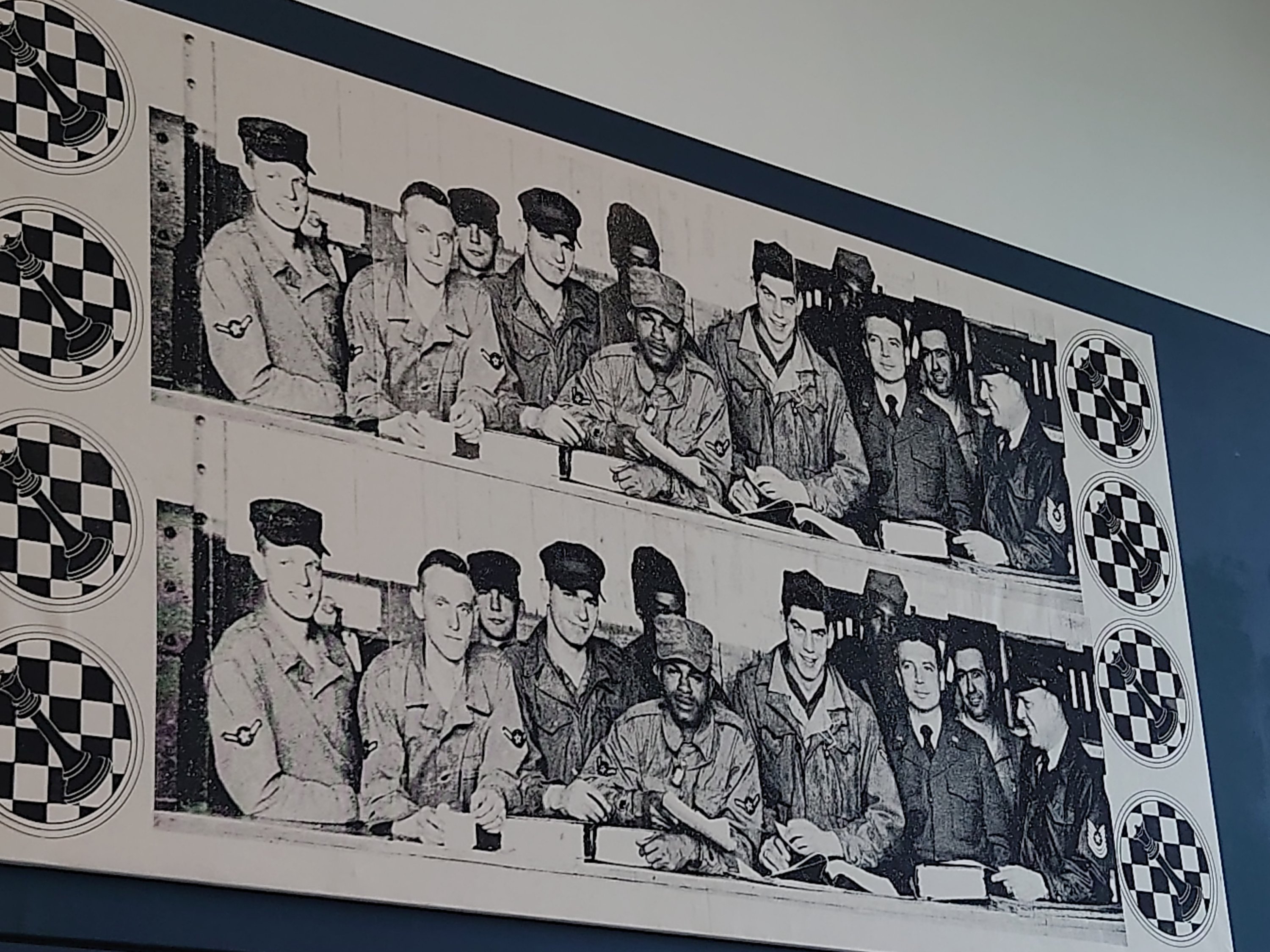
Banned by Sabina Desa. A sad study of the reporting around the wartime in the town and vicinity of Ramsgate when American soldiers came to help the UK in the second world war. There were calls for the black soldiers to be banned from socialising with the people of Ramsgate. Triggering phrases could be seen in the local newspaper reporting, which was blown up 1,000 times (perhaps) to make those words easy to read.
They don’t matter, Conveyed through Clumsy room rearrangements.
The room that exhibited Banned should have been very solemn about the racial injustices in the 1940s UK. But that room had turned into a noisy playroom. They made macrame, and toddlers were running around, crying and screaming. The usual respectful hush of a gallery was lost. Viewers of the Banned artworks felt squashed and poorly positioned. It was challenging to think and sit back and contemplate the seriousness of the exhibits. Instead, it could be described as a strange juxtaposition open to interpretation because it became a playground for adults and children as if they were dancing on the black American servicemen’s graves. Doing the macrame and other activities meant many of those in the learning gallery had turned their back on exhibits of the past racial atrocities in the UK last Sunday. They seemed to be ignored as if it didn’t matter. My teacher hat on also wondered whether the macrame teacher could be asked to get participants to create some form that tied or connected in with the exhibit and use wool colours that matched the sombre displays, like greys instead of the bright kindergarten hues. The gallery’s placing of the two very different activities just needed more thought.
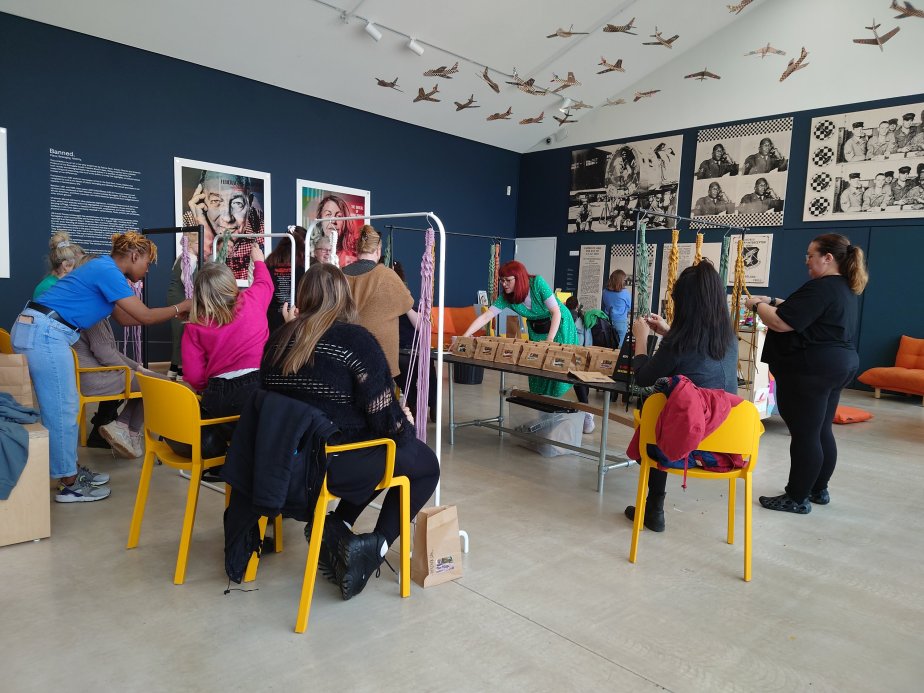
I later understood that the macrame class had to move to the learning gallery because they were running a plant market in another part of the Tate. But if I was the manager, I would have postponed the macrame or moved it somewhere else that was less offensive. It is tricky as it shows how difficult it is to balance these things. I hope that if my pieces ever get to a galley, there will be more careful consideration of the activities done in the room while my pieces hang and my patrons admire them.
In fact, this process gave me some new ideas for choosing which galleries I would like to hang my work in future..

