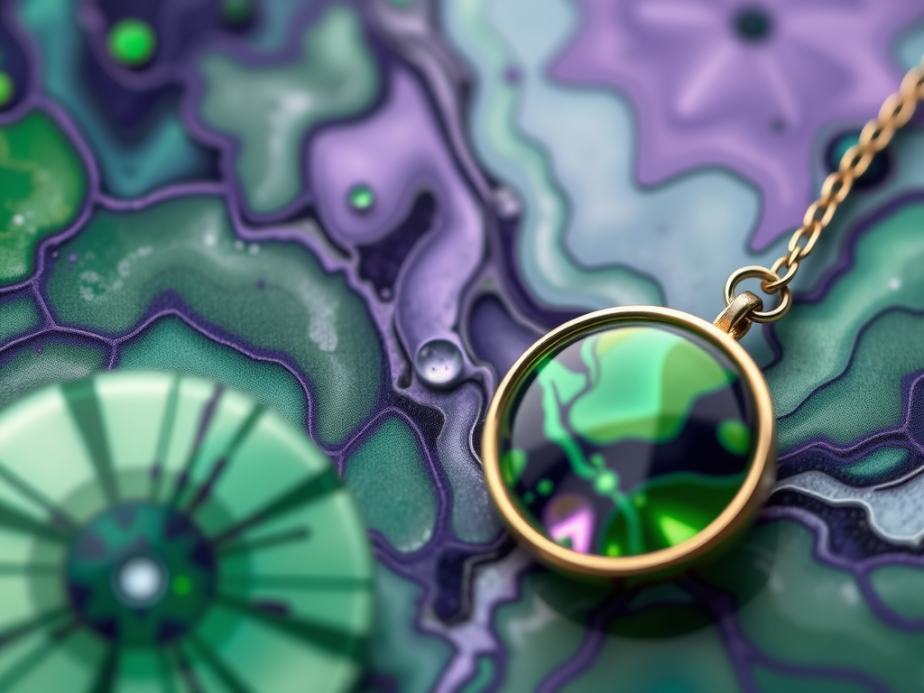
Even with a busy 9-5 schedule, I’ve managed to find some time to experiment. I focus on recovery and taking care of my well-being during downtime. I’ve experimented with creating new items, like transforming my paint skins into brooches, necklace pendants, and cuff links.
I’ve also been painting with alcohol inks and love the wispy ethereal abstract results I get.
I’ve started to understand the ethos of my mark-making. This allows me to start asserting the components of an artist statement for my creations. It’s all about providing an opportunity to focus on the mess.
What do you think about choosing art that portrays the reality of messy situations vs clear, crisp representations of things? It speaks to my critical realism.
This week, I went to a nice office space in London. You can see that some of the fixtures and fittings nod to the architecture. At first glance, they give off an air of coziness and comfort. Very welcoming for visitors and gives you a sense of being a great place to work.
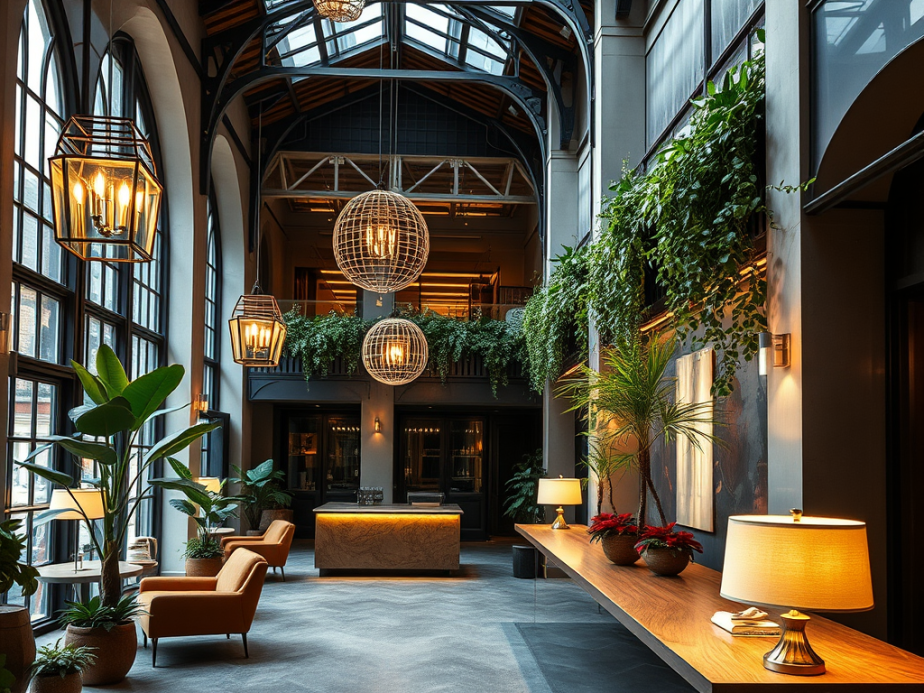
I also visited a local hotel for my Birthday. While I was at the reception waiting for my family to return, I did some people watching. I noticed a pattern in styling the lamps and floor lamps there, too.
The lighting was closely intertwined with botanical elements. This created interesting shadows and shapes. It seemed to enhance the structure of the original lighting. It gave off an air of consciousness about nature, the environment, and the planet.
The video below I took when I was people watching in a hotel shows:
Reception areas: the curated threshold where first impressions land. Botanical spill from corners, carefully selected to whisper “we care.” Earth tones, soft lighting, ergonomic chairs—all designed to wrap visitors in the illusion of wellbeing.
But then, I stay a little longer. I ask questions. I meet the people behind the desk and beyond the break-room. I watch the team dynamics. Servers struggle to keep up.
And I begin to wonder—are we decorating over discomfort?
The lush ferns say “eco-conscious.” The velvet sofas say “psych safety.” But I’ve noticed that behind the foliage, the culture doesn’t always flourish as much as the greenery does. I talk to the workers. In some places, it seems that the aesthetic of care has replaced the practice of it. Cozy decor doesn’t always mean corporate kindness. Indeed, green doesn’t mean that the management is grounded.
True sustainability starts not with plant walls—but with people.
I hope to demonstrate that I have created shelf art and wall decor. This art beautifully illustrates the ugly reality of corporate work. While working from home, we can express ourselves through our choice of decor. We can also quietly convey the complexities, tensions, and messiness that our fantastic work emerges from.
Re-imagine your work-from-home space through the lens of truth.
My products are meant to feel like a breath of fresh (and slightly rebellious) air. They are created as pieces that don’t just sit pretty, but speak (like me). They offer a kind of visual activism. It is right at eye level for your bookshelves. This way, you can lead through the screen with authenticity.
It’s my birthday today. I’m glad to quickly pop in and show I’ve returned. I’ve come to share an update. I’ll explain where I have been and where I am going.
I’ve been in my academic writing cave, completing around 12,000 words to earn my PG Cert in Executive Team Coaching. This meant I likely wrote 20,000 bad words first. Then, I had to reduce it and link it to my reading about the latest research on organisational cultures. I also related it to the most recent insights about group and team dynamics, top team behaviours. However, I particularly enjoyed writing about the significance of space, place, and the venue’s decor and artefacts. These elements of decor enable cultural cohesion in team-building away-day settings.
In fact I did a reflective LinkedIn post about it here.
I’m back to my usual Sunday making habit. I’m glad to say. I shall continue to post a written blog once a month. Images of my making will be posted weekly in the product showcase.
I’ll work to resume creating vlogs for my YouTube channel. I’ll expand on themes about the behind-the-scenes aspects of my making and well-being. I will also focus on doing deep collaboration work with corporate teams. This effort aims to enhance my creativity across a broader range of spheres.
Please sign up to the blog if you want to come along on the journey
Subscribe to the YouTube channel if you want updates on my video, I start those next week
I made a video about the lampshade maker’s practice of rescuing lampshades from their embarrassment by turning their seams to the back whenever we are out.
The video shows what I do when I discover lampshades with their seams facing forward in a posh hotel. It also shows how I realised how and why the seams were turned outward. This discovery led to a new challenge for my lampshade making in the future.




You must be logged in to post a comment.