Explorations of the aesthetic, emotional, and symbolic dimensions of workspaces, drawing on art practice, organisational life, and Human Relations thinking — including what becomes possible when we pay attention to the artifacts in our own home work environments and the quiet ways they communicate meaning
I stayed in two very different hotel rooms this week. Monday and Tuesday I was in the beautiful Angus wing of in Ashridge House which was wonderful and very cosy with their natural decor and big spacious rooms.
My room in Angus lodge in Ashridge House’s grounds was spectacularly welcoming after traveling through the storm Bert to get there. Furnishings and finishing all had a natural organic theme with cools touches of industrial chic with open shelving.
I also stayed in Motel One in Manchester. I found it good for one or two nights but the room I stayed in was the smallest room I’ve ever been given. It was tiny but beautiful it was sized just enough to get the furniture and one person in. I think if there were two of us it might be a squeeze.
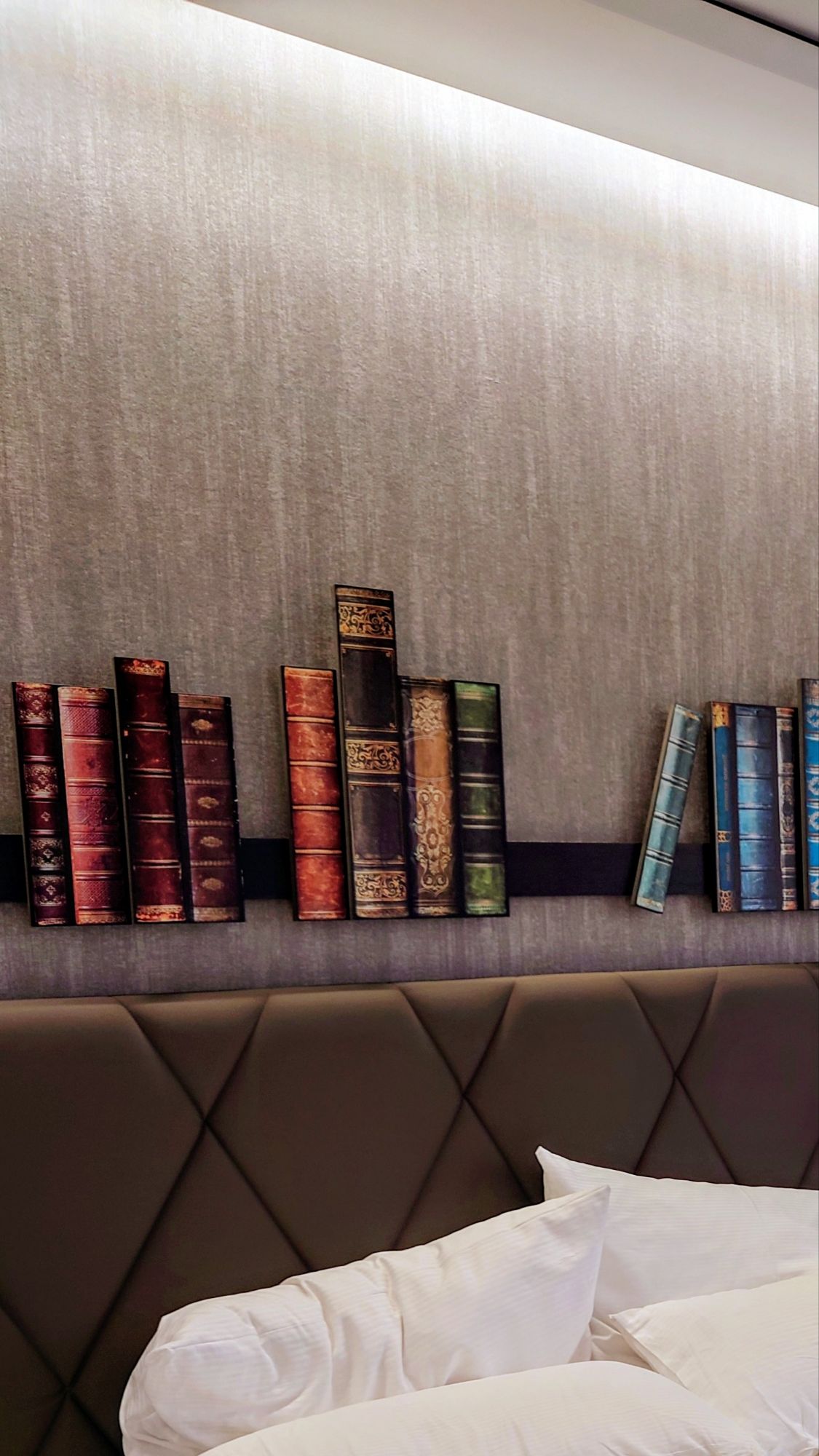
I loved how this chair stood out its brown leather juxtaposing nicely with the blue velvet cushions and curtain fabrics. This was clever wall decor. It made it look like a bookshelf but it was actually cutouts and wooden type moldings placed on the wall, to look like books.. Everywhere you looked in the room you got the sense that decor items were artfully and purposefully placed.
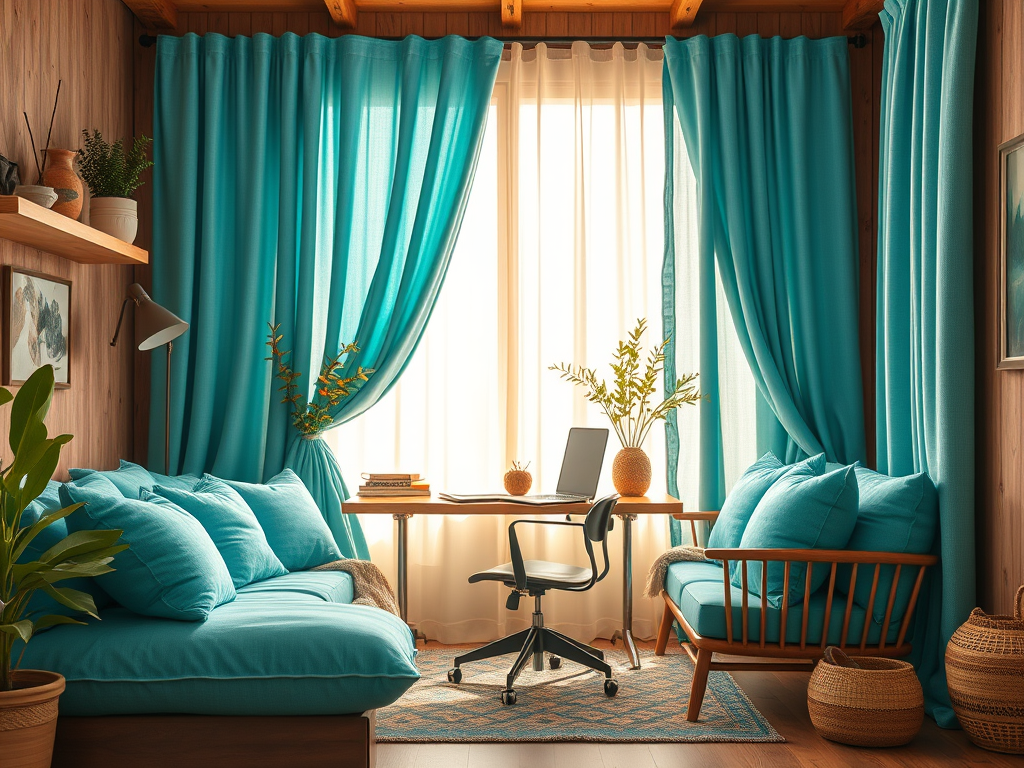
The featured image is created by the AI which made a composite of the words in this blog and the images. I asked it to do a mock up of a cosy home office inspired by the visits to two hotels this week. What it created looks nice after its 3rd attempt because it has the colours of the cushions as well as the natural elements and industrial elements from both hotels i stayed at. The nod to home office comes especially from the clever wall art over the bed at Motel One. The AI image used books too which seems to be one of the cultural devices to signify serious office and home working vibes.
AI generated images of a would be home office.
Five tips for incorporating boutique hotel decor into your home office designs.
Sort your favourite pictures of hotel rooms you have stayed at. Filter down to 10.
Use your summary of those images to decide on what your ideal design style is (whether industrial, beach auntie, cottage core, classical etc).
Do a search on Pinterest using that design style name and then add home offices and create a board to curate inspiration for your shopping list.
Share a picture with AI and command it to create a home office image inspired by the photos that are your favourite.
When you do your home office revamp show your contractor the images you and AI have created
AI generated image based on the three pictures I took of my hotel stays this week.
How have your travels influenced your office decor?
Please let me know in the comments.
Since it’s the end of the month. This also is emailed to my email subscribers. If you would like to read previous weeks posts, they are here.
Look up from the main hall at Ashridge house and you will marvel at the amazing craftwork and design choices of those with an eye for style and culture hundreds of years ago.
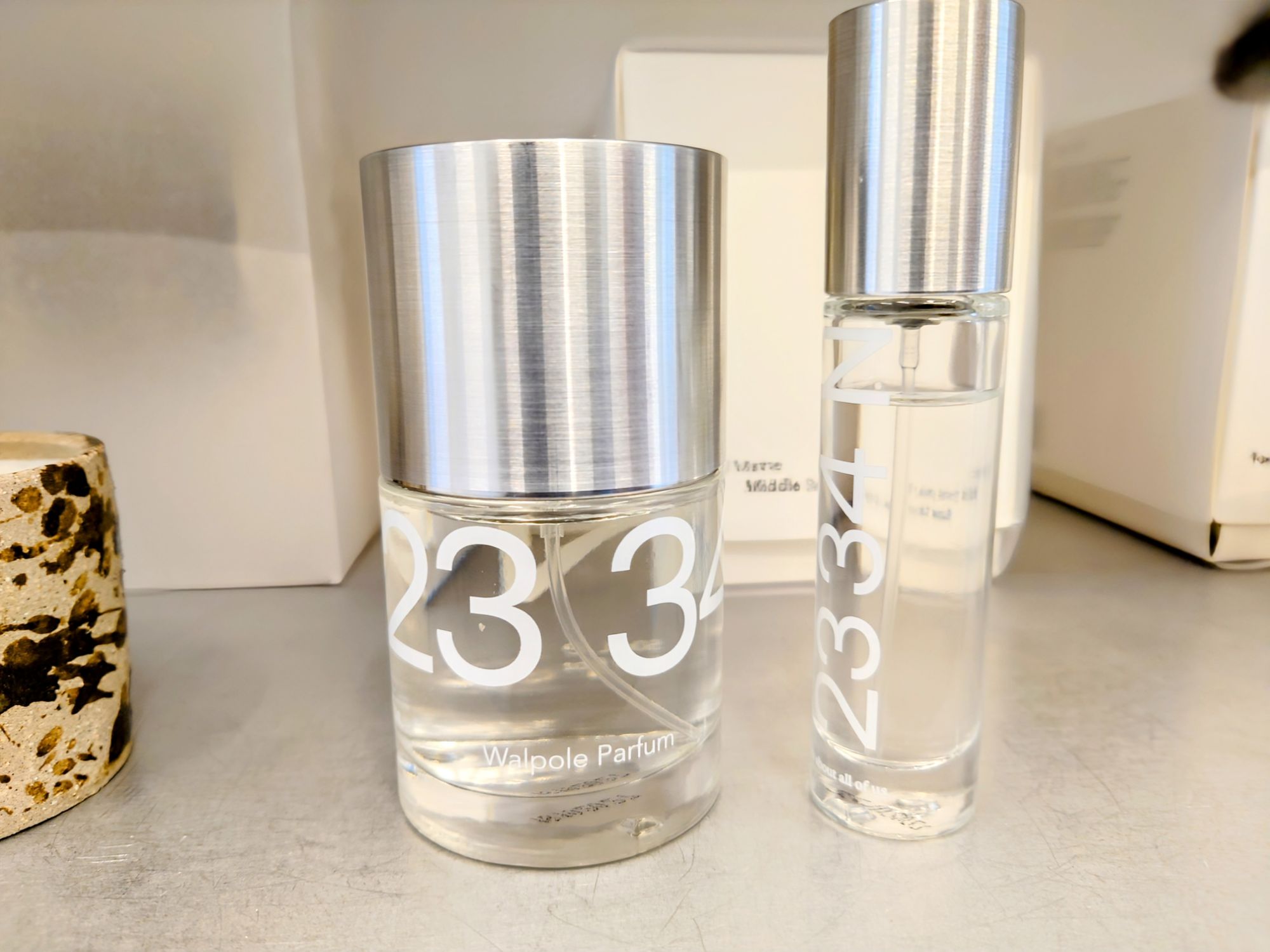
Fast forward to November 2024 Really love what the brand formally known as Haekles is doing to assert their values around environment and social responsibility. They have changed their name and got new packaging that is not about creating a dressing table ornament. It is about creating a vessel for their product that is compost-able. It makes me love them even Love the smell of this had to take a photo so I can remembered it has Sweet Pea
Overall my visits this week made me notice the extent of my eclectic appreciations, I can be enthralled by ancient design and crafts through to being captivated by 21st century crafting of our cultural practices from brands like Formaly Known as Hackles.
Sleek and sophisticated fittings and Furnishings for Hard Working Zone
Boucle textured seating
Elegant breakout area
Japandi meeting room
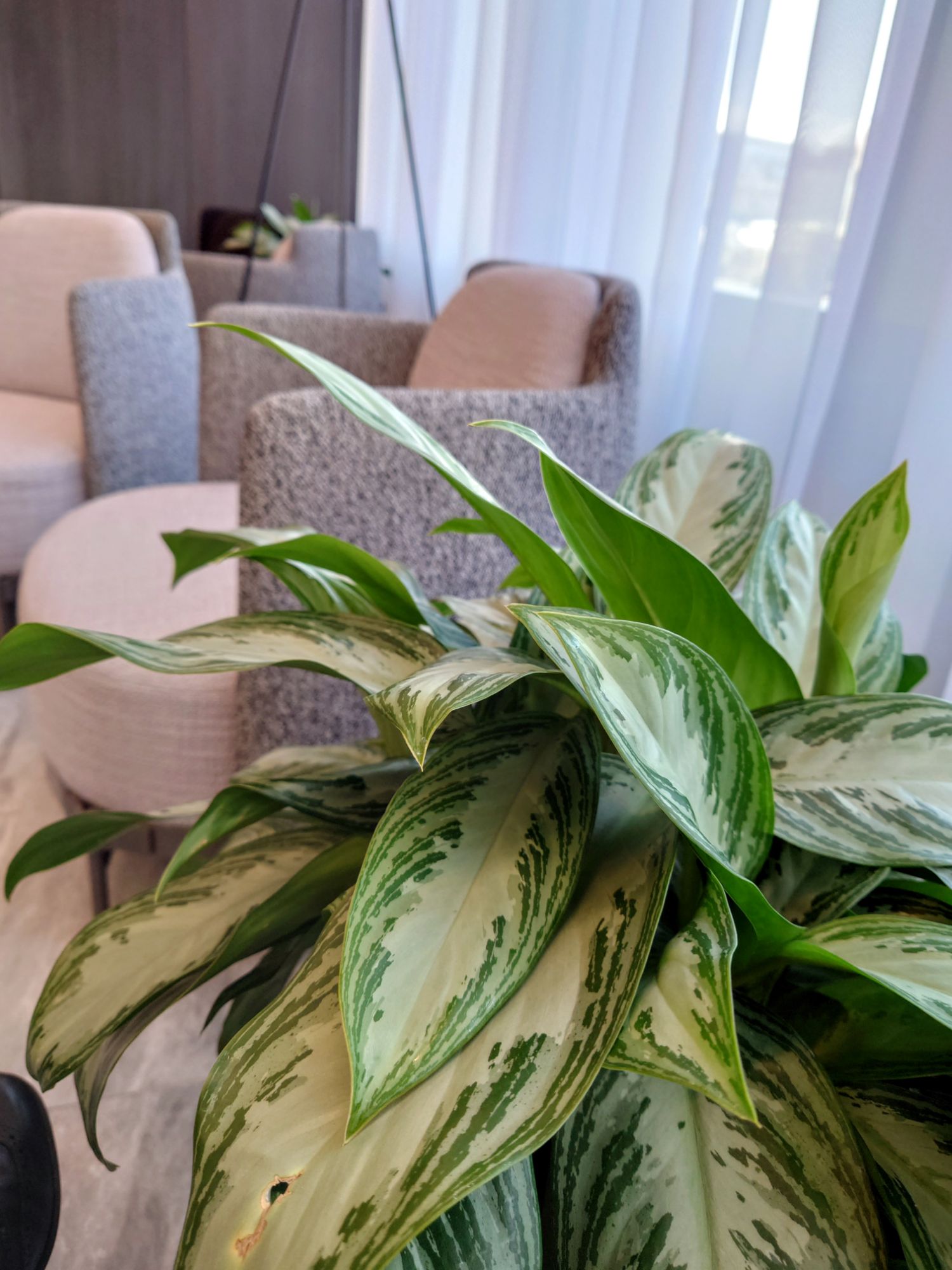
Plants bring organic
An Effective abundance of textures
While visiting some London City offices recently, I found some authentic Japandi. Working as a facilitator corporate trainer/ instructor I was able to see how the combination of textures used in the external meeting rooms and breakout area fittings created a captivating and calming atmosphere. Colours are neutral and highlighted by the colours from natural elements such as metals and woods and watery looking glass panels.
A spacious training room with rubberised tableMinimalist and well considered details
Natural wood accents Beautiful combination of natural textures.
If you want to create the Japandi look in your home office here’s five things to remember
Natural elements wood, marble, wool and metal
Paired back details
Double the circulation space for that sense of spaciousness
Juxtaposition of natural textures such as mats verses glosses
Tiny elements of metal craftsmanship to admire
Comment below to share what your favourite elements are in Japandi office or home interiors. Do you like light Japandi or dark Japandi?
I visited a beautiful training room this week but it was hiding several problems. The issues found made me want to share some tips on training room design for architects, interior design team, facilities managers.
The beautiful training room I visited had fancy comfortable seating, very nice wide desks on wheels, natural looking carpet all the modern technology with two big screens in the front that I could can easily log onto. There were also two beautiful side cabinets storing other trainer’s accouterments like post it notes, marshmallows. There was even room for me to store my coat and bags to keep the room tidy.
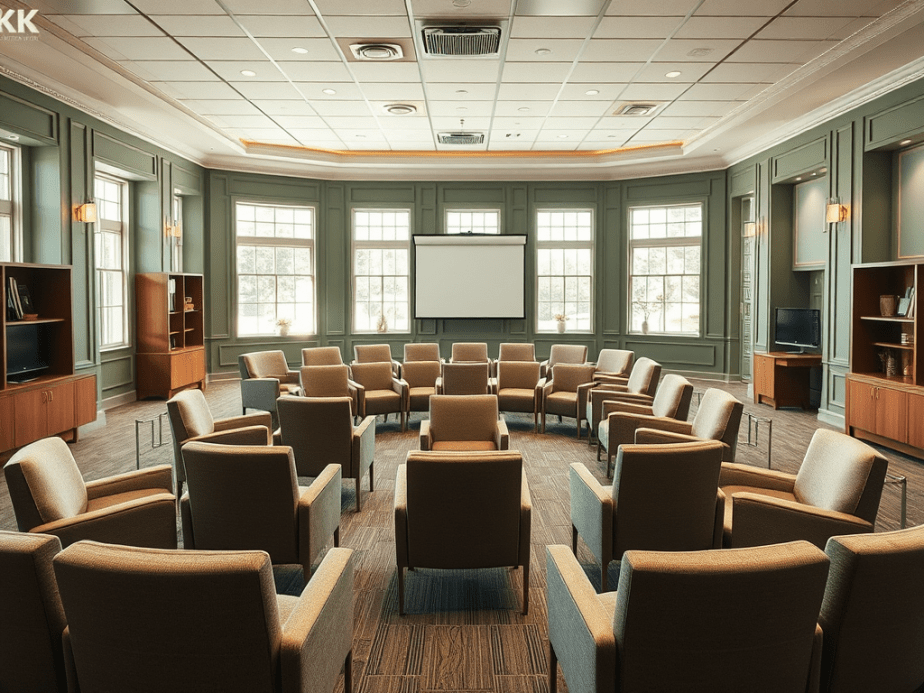
Image created with AI based on the word in this post
Style over substance: The impractical training room layout
However one thing I noticed about the room, even though it was large, was the lack of circulation space. The session was originally booked for 14 max but they thought they’d squeeze another two people in. This meant that arranging tables in a U shape pinned everyone to the walls leaving a large expanse of space in the middle. This is not conducive to group working because no one could move around easily.
Style over substance: Training room walls that would not stick
This beautiful training room had deep sage green walls stylishly painted up to seven eights of the wall with a coordinating ivory colour for the last eighth and the ceiling. It reminded me of a beautiful cosey shaker style kitchen. But when it came to me sticking full flip charts up to remind learners of the points we had covered so far it could not be done because the walls seemed to be anti tack. I guess somewhere in the building’s history the facilities manager got fed up of trainers using blue tack to stick things on the walls.
Having anti tack walls is understandable if you have previously spent loads of time and resources getting the cleaners to remove blue tack using the recommended direct heat like a hairdryer on the blue tack itself.
But having anti tack walls creates a corporate learning & development and organisation development problem. You see we trainers need the walls to showcase learning. To show case learning is to have a tangible artifact of ideas generated in the session and that is more than one flip chart stand can do.
We show case learning in the corporate training room in various ways. We typically (display gallery style) the completed flip charts that everyone has done. Learners throughout the day then reread what some of the ah ha’s and moments of epiphany are within the room at moments that suits them. It helps to reinforce diversity in learning & development.
We use the wall to display analytical and creative thinking when working in a group. Walls help to magnify the writing space. Walls expand the written canvas from the individual’s perspective out to the group’s perspective.
Therefore a training room festooned with used flip chart pages and written on post it notes from brain writing sessions, or creation activities or problem solving sprints serves as visible and physical evidence of the individual and group learning work that has gone on in that room.
I’ve seen great examples of corporate training rooms as I travel around the world delivering leadership and management development . The more advanced training room decor takes account of trainers/ instructors needing to use the wall by replacing the inner walls with glass panels and providing white tack for the rest of the walls. .
Glass walls are then perfect for sticking sticky flip chart or post it notes to the walls. I’ve also seen other kinds of vinyl decor panel used. Learners can even write directly on the glass walls, which support creativity and enhances the problem solving process.
But ultimately it would be great if corporate office training room designers could consider installing more white boards and screens so that opportunities to showcase learning is on all four walls, without the need for desks.
Image created with AI Prompt corporate training room like featured image but with screens one windows and all walls with glass wall looking out to greenery and big plants internally. And comfortable seating for eight.
Leadership and management development consultants/instructors and trainers are now in an era where, we no longer want to get managers in a room where they just sit and stare at one square light at the front of the room for six hours.
Image created with AI prompt corporate training room in U shape without desks
We no longer want executive development shaped by the the training room’s limitations. Indeed some of the problems that companies face with with building inclusive working, collaboration or the depth of thinking that is required might be down to the amenities of the training room. The training room is a visible cultural artifact subtly symbolising “the way we do things around here”.
How professionals can make training rooms add value
We now need interior designers and architects of corporate headquarters, campuses and head offices to show deeper consideration of the design of the corporate training room. See my top 10 tips as a summary of this post.
10 Tips to Improve Training Room Decor & Design
Room aesthetics are important but should not devalue function
Create a room with a view of nature
Design in glass panel walls to showcase learning
Plants are nice for oxygen and neuro-aesthetics
Cabinets could be built into walls so they don’t get in the way of circulation space needed for group work
Integrate screens on three walls
Install whiteboards on three walls (if no glass walls)
Design, plan and build writable four walls
Enable table or desk free room for management development suites and executive development zones
Always consider how the training room acts to symbolise the desired culture
Please follow for more. Each week for the rest of 2024 I shall be visiting corporate training rooms of all shapes and sizes up and down the UK. I will post more ideas about best practice and ideas for improvements to corporate training room design, decor and space planning, in the weeks to come.
Comment below on your good or bad experience of corporate training room decor.
AI created the featured image above after it read my post. I wouldn’t say I liked the first one it chose, but I settled on this one as the colours tied in with the green and gold that I talked about this week. This week, I’m reviewing the different themes in bookshelf backdrop styling that I do for my own shelf in my 9 to 5.
Themes for your backdrops
You can theme your shelf or backdrop beyond the colours of the books. The pictures below show how I have fallen into the trend of colour-coded bookshelves and am working to curate more meaningful staging for myself.
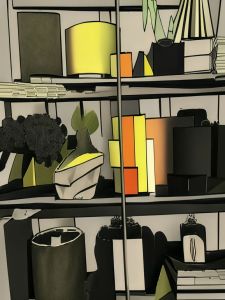
Consider curating talking pieces on your shelves to help you connect with colleagues. Avoid those bland vanilla Items you got because the influencer told you they look great. It might be a good idea to plan your shelf styling. You could take a picture on your phone and get the AI to rehash it to produce a simple outline like the one I did below. This might give you a sense of where the lines of the styling need altering so that they form that V shape or pyramid going across.
Image above based on photo of my bookshelf and the Android AI amended it to produce other stylised versions that I then selected.
Remember that it’s all about your personal branding (the extent to which you, in your backdrop, epitomise the organisation or company brand/ strategy), especially if you are a leader. It is also about your well-being through the social connection that can arise from extended chats about you and your curated collection. So what you place on the shelves should open up tales of your interesting travels, curious pieces of art you bought because you liked what the artist said or the strange way they made their art. There could also be pieces that tell of your scrapes and how you got through things; some examples below have those.
A green themed show. Artwork and all items connect by colours, including what I’m wearing.Caught me in the middle of styling and pointing to placement of newest item. But other items on the shelf have been used to tell stories of fires, favourite cosmetic brands and awards I have won.
A wide angle just after I realised audience thought my bookshelf was a photo I uploaded to teams.After some careful styling this has a white black and gold theme, with lights on.
Whatever you do with your shelves in your 9 to 5 backdrop, ensure they are on message for you. Remember, it is your home, but it also plays a significant role in your personal branding and your potential in the organisation. The way we present ourselves on camera is now as crucial as the attire we used to carefully select for meetings with the boss.
Our backdrop is our new jacket.
What do you think or do about your backdrop for meetings? Think about it if you want your professional personality to shine beyond using the standard images available in Teams and Webex. Zoom, etc.



















You must be logged in to post a comment.