Three-dimensional effect oil painting

This week I joined my oil painting class. It was interesting to join an art class online. We use Padlet to share our work after taking pictures using our phones.
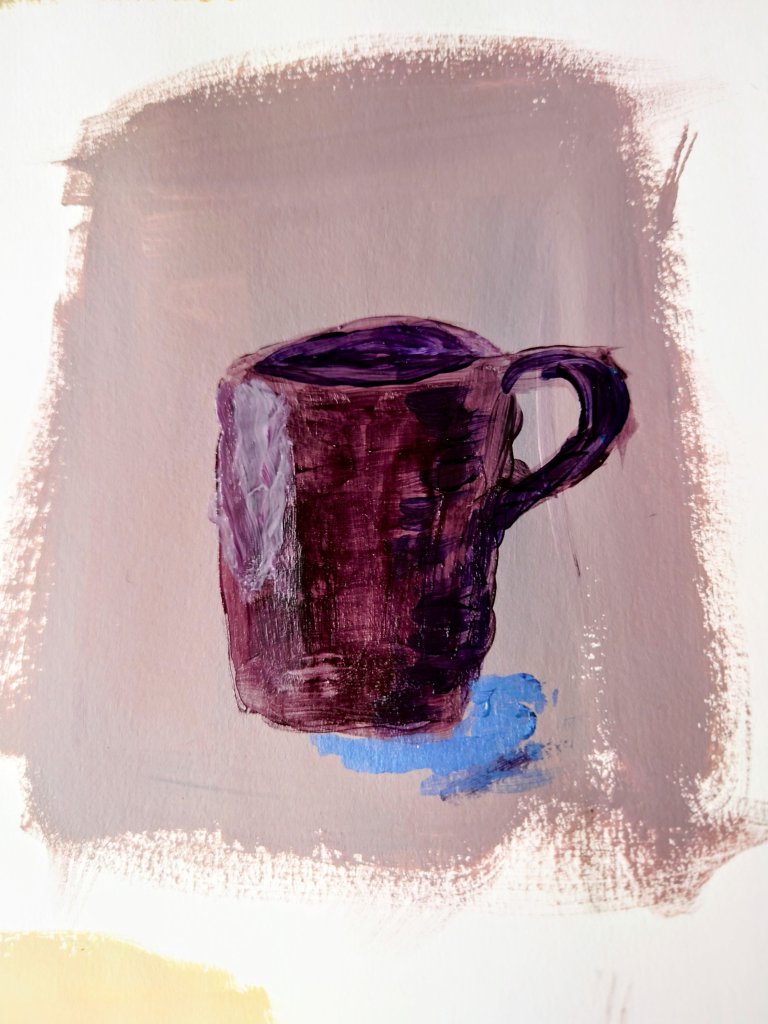
I rather enjoyed experimenting with the different tones of yellow that could be seen and how the shade of the fruit was reflected in some of the shadows, and it was important to convey that in the paintings.
What surprised me was how long it took for the oil paint to dry. But I’m learning how oil painters appreciate the wetness so that you can keep returning and doing this magical chemistry work with the paint.

I noticed the magic as I became mesmerised by the texture, getting colours blended to do the highlights. I was chuffed with the teacher’s comment that she noticed a great 3D effect in my work.
Getting Ready: Oil Painting &Abstract Term

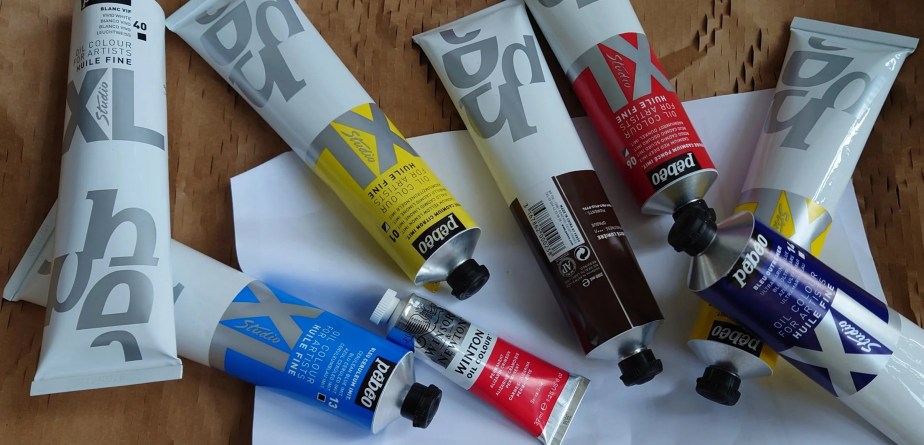
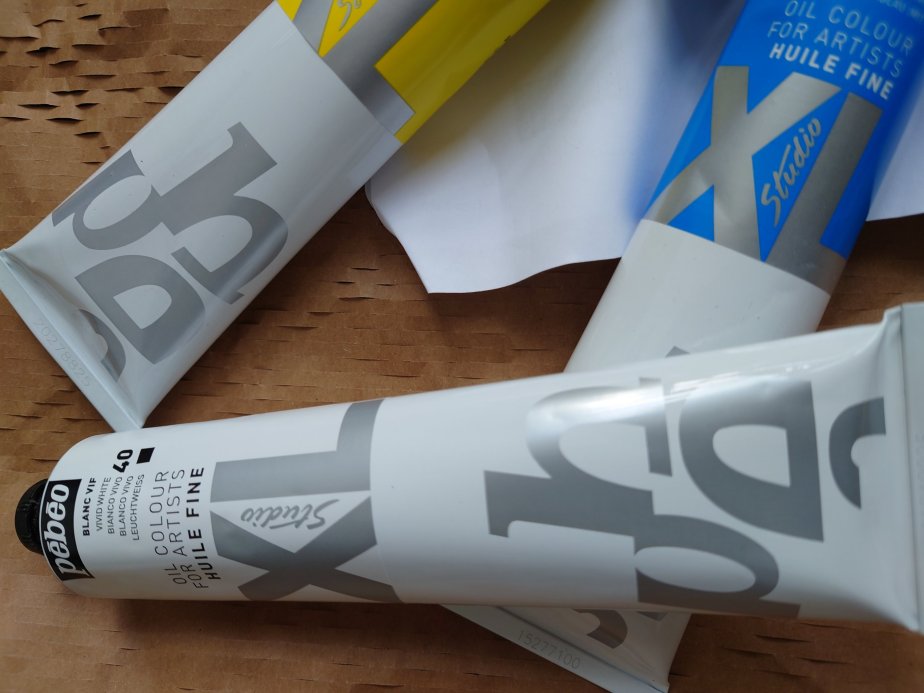
I was nursing that awful cough & sore throat that everyone in London has. It meant that I didn’t make anything this week. Instead, all I could do was lift a finger to order the oil colours that my new art teacher suggested the class buy.

Managed to get my order of oil paint medium


I was so sick that I wasn’t in the mood for painting in the class this week, but because it was an online course (oil painting), I could log in and meet my other classmates, see the setup and observe. They seem like a nice bunch from around the world including the USA. I like how the teacher wants us to show our painting on screen so that she gets the effect of looking over our shoulders. I find it fascinating what teachers can do in the online learning space.

Being a mutted observer for my online oil painting lesson.


I was so sick this week I completely forgot about the Friday evening class in abstract painting. However, I am on the mend and feeling less under the weather.

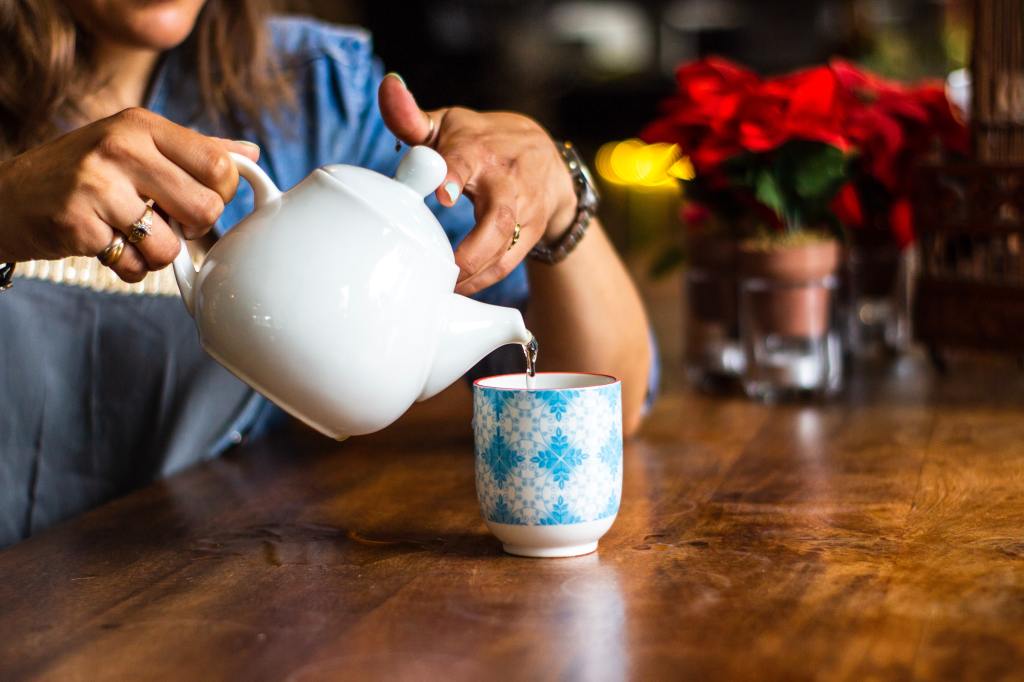
Photo by Louis Hansel on Unsplash


Next week I hope to join my art classes and show you more of what I’m doing.

Photo by Behnam Norouzi on Unsplash

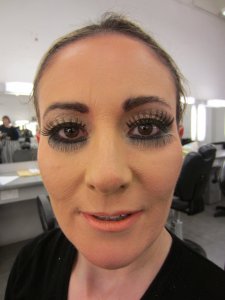
Inspired by exaggerating skin features

My art classes for drawing and painting ended last week and inspired a new focus in my portrait paintings.

I noticed the extent to which I’m interested in the deeper anatomical elements of the skin. For instance, I noticed I spent a lot more time than others in the class on the intricate details of features such as thread veins and fine lines.

While mixing the different colour skin tones, I got the idea of potentially using my cosmetic chemistry insights and knowledge to develop a series of figurative paintings in future. I will link back to this post when I have done the paintings influenced by insights I gained this week.

Video post: Experimenting with textures and colour grounds

This week I upgraded to allow video posts. Here you can see what I painted this week and listen to my voice as I talk through my art pieces.

Neon Acrylic and impasto on paper

Below is an example of rougher textures. I like the juxtaposition of rough or matt against smooth and glossy to show contrast and tension.

Mixed media sand in acrylic and gel gloss on paper

My pictures paint a thousand… faces

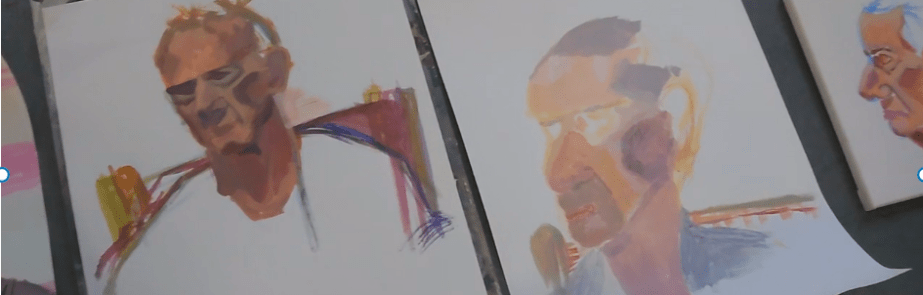
My art class this week got us to practise our portrait painting with a live model. It was the first time I painted a portrait. I had always been nervous about painting humans. I somehow felt incompetent.

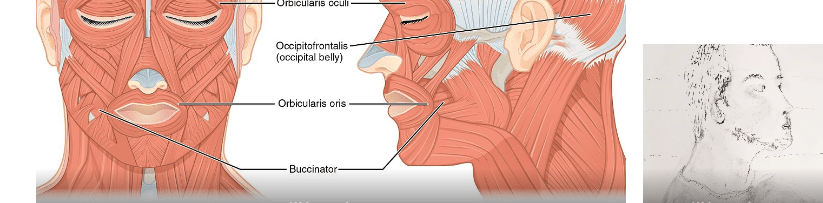
But I realised I had been here before when I got into it. Flashback: I trained to become a beauty therapist when I left school. And no, I was not a beauty school dropout. Instead, I did well. But what people don’t know about beauty training is the amount of anatomy and physiology you must learn. I had exams in the skeletal and muscular systems and cross-sections of the skin. When I told the art teacher about this, I found myself recounting the Latin names of the muscles of the face. Surprisingly I even told her about each muscle’s insertions and origins. Didnt realise I still remembered those pesky exam type answers.

It was illuminating how my prior experience of understanding what is happening behind faces and below the skin surface was really useful for my drawing. I also remembered the story of Leonardo Da Vinci studying anatomy. It seems he used to study cadavers. But my study of faces was not of dead people. They were the heads of 1000 facials I had done in my 20s in salons and spas in London and around the world.

It was nice to get encouragement to continue still-life drawings. I shall.

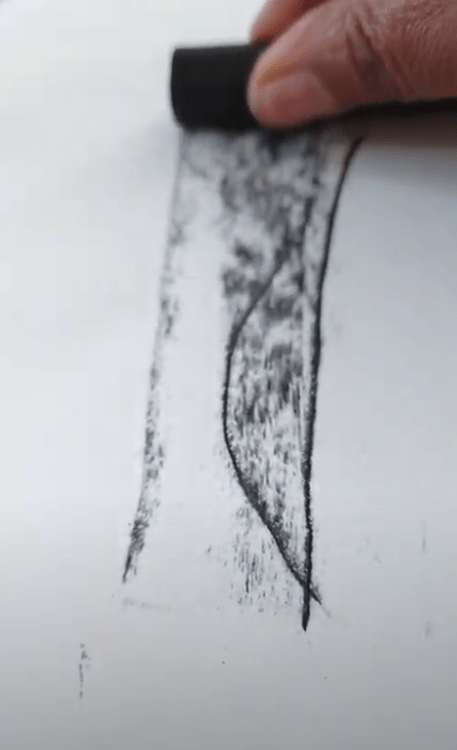
An unfinished life drawing of a life model in charcoal.