Process Inspiration From the Bigger Players

We have a new Ikea (well, it’s one year old) in Hammersmith, and I popped in there to get my lamp base, as it is those that I use in my photo shoots for my lampshades.


However, I found the new shapes and colours on display inspired me. It was mostly monochrome (black and white on display there). I grew curious about how they managed only to charge £8.00 for a floor lamp. I then began to look more closely at how these were made and noticed how they used plastic clips to attach the ring to the fabric.
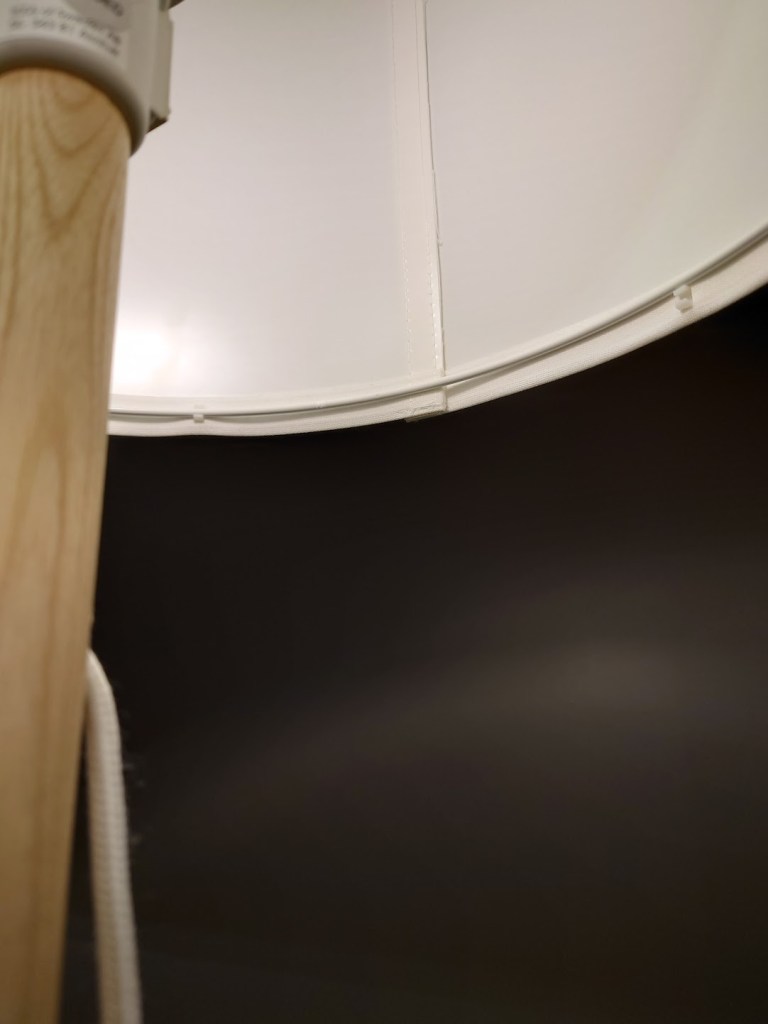
The clip system on Ikea lampshades

I wondered why this form of making lampshades might exist and then realised it might enable the scaling up of the production.

Normally, the fiddly bit in lampshades is tucking the fabric into the metal frame. Some artisans get over this fiddly bit using a lampshade binder; see Lush Designs in the video below.

Seeing this and other lampshade manufacturing videos made me think of what is possible beyond my art being a hobby and into a full-blown business in the future.

However, a big part of me wishes to keep my hand in the work and mix a combination of digital technology and manufacturing equipment to still allow my items to emit a personality while offering a personal and even bespoke buying service to potential customers.


Although I didn’t make much this week, I made a lot of progress with decisions on what equipment to invest in to increase my making while developing my unique style to more customers.
Nurture Your creativity: advice I would give to my Teenage Self

What advice would you give to your teenage self?

Sometimes I feel I have put off nurturing my creativity for too long. Other times I think it was seen in other parts of my life, like photography and property development.

My recent efforts with oil paints have highlighted the many choices I still must make around my style and my medium of choice.

I shall post an update on this painting when it is completed.

Urban Rooftop Landscape Oil Painting the Making

Why Painting Julian Opie Simplicity is Quite Hard

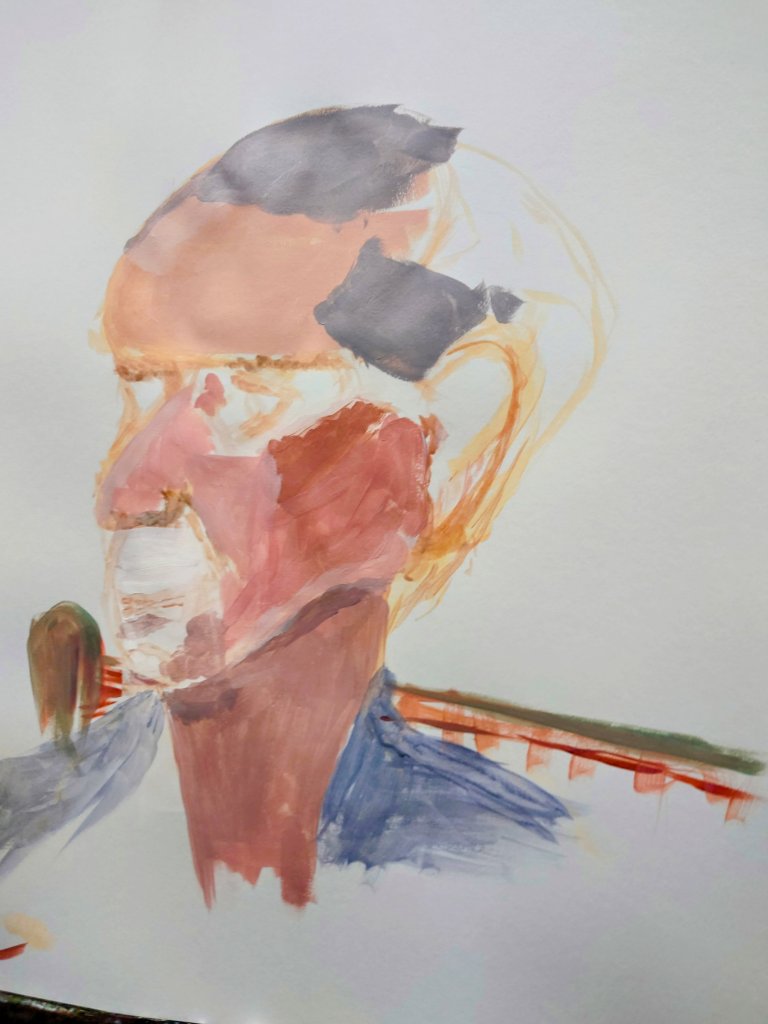
Our teacher took us through some portraits this week in my art class. The usual classics were there for us to study composition, tone, paint strokes etc. But I was struck by how much I was drawn into Julian Opie’s work.


I’d never seen his work before, and I noticed how my eyes were pulled into pattern finding.


However, I took on the challenge of seeing what my marks and finish might be like if I painted in the style of Julian Opie. I initially thought it might be easy; perhaps I was being lazy, but when I realised the attention to detail demanded in getting the contrasting tones right. Another hurdle I had to surmount was the light and the dark shapes to make sure those correctly gave the impression of light and shade. I discovered in class that trying to do this using oil colour is another difficulty because Julian Opie probably uses acrylics. But never mind, it’s all practice.

Character as the X factor in portrait paintings

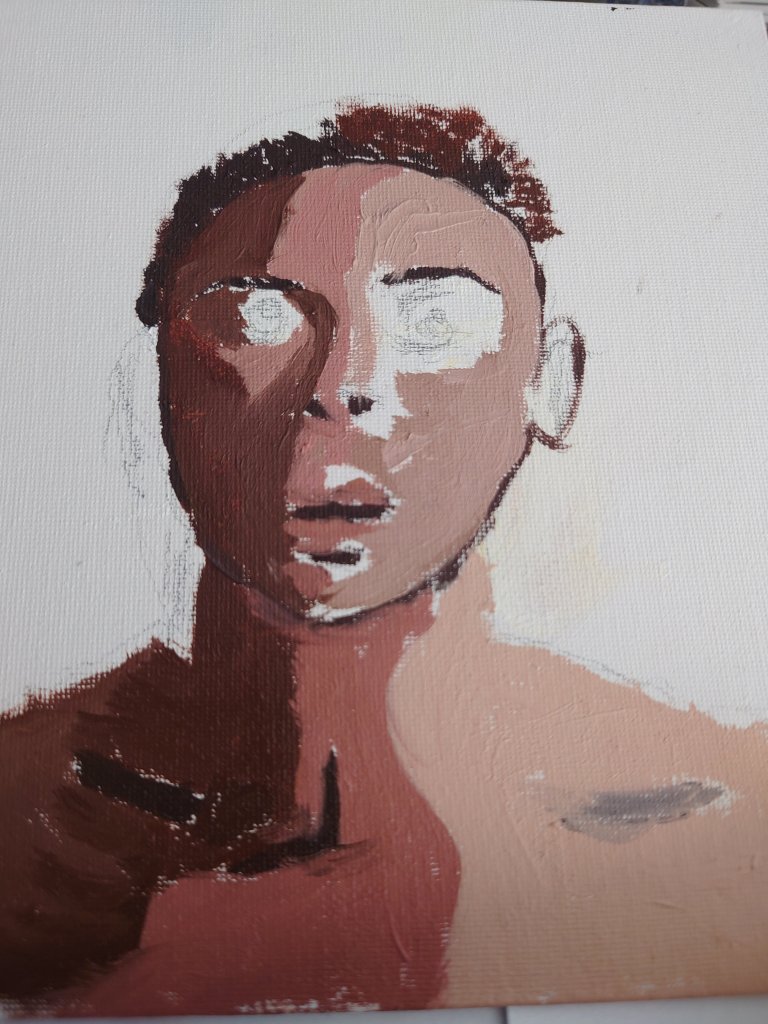
Less beautiful people make the best models. This week I discovered how people with more character in their faces contribute to making the most interesting paintings.

This picture is about a life model who had a very amazing head shape. In this painting, I am halfway through and hope to have finished it next Sunday.

I still have fine hair details to include and I must get the interesting skin tones and textures sorted.

Only time will tell whether I manage to do justice to this man’s interesting face. Whatever the outcome I shall post my result in a future post.

Inspo Week from Decorex & Frieze London

In London this week we had two big exhibits. Decorex and Frieze were on this week.
Wednesday, I popped into Decorex ( the interior designers’ top show) and found they were showing three big design trends with lighting. The new styles included natural lampshades, ethereal and fantasy. Below are some photos showing those themes. It was showing in Olympia London, and I felt very at home, since I am from the locality. It was my first time going to Decorex, and I got inspired to do a booth there in future as I was inspired by a small cushion maker’s tiny booth. That could be me, I thought. Not particularly making cushions but instead offering my items to the interior design trade.

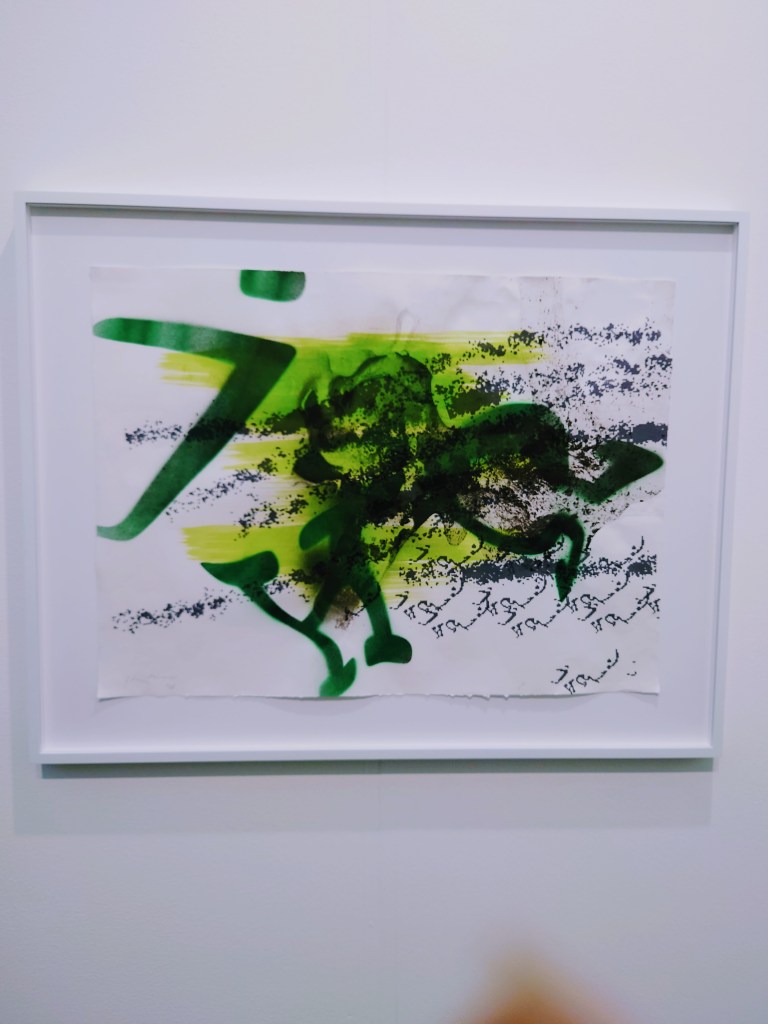
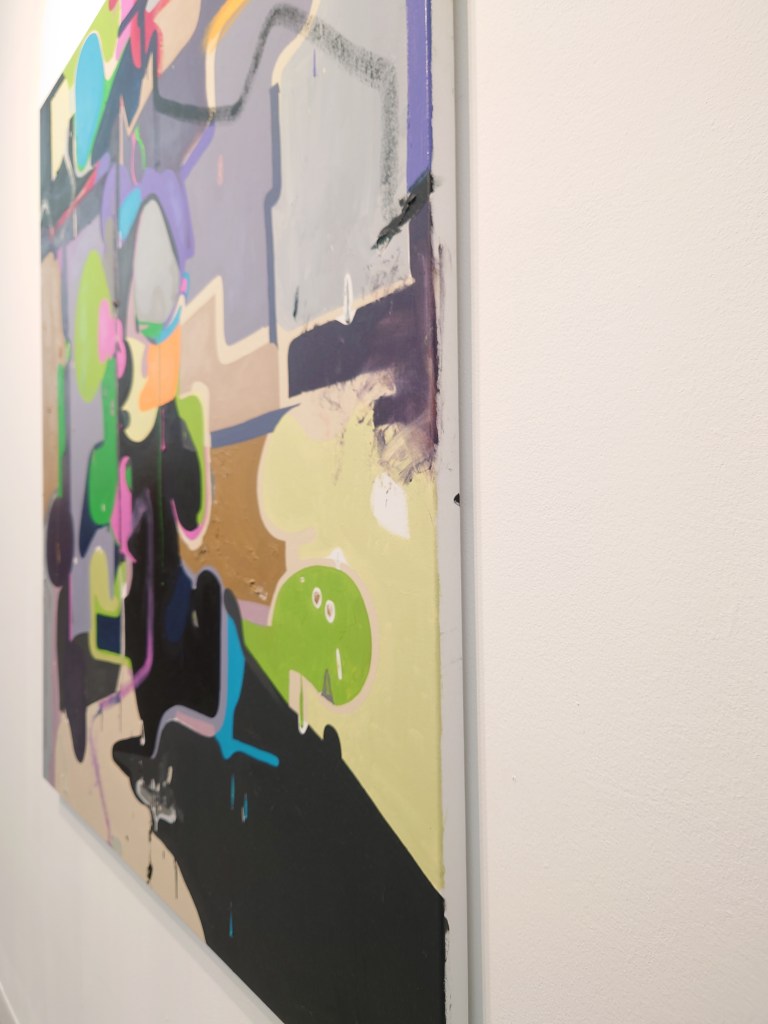
The second show was Frieze which according to the tour guide “is the Hollywood of the art world”. It was beautifully set up in Regent’s park. I was very impressed. Slightly overwhelmed and a little bit intimidated at the beginning.

It was great to see so many giant paintings. Some cost £300,000 to a million. Others cost about £6,000. Our guide told us about the process of the gallery pitching then a selection panel decides which work to exhibit. The dominant theme this year and recently is about showing consciousness. There were fewer north European artists and more artworks from voices we don’t always hear about, like native Americans, Vietnam and Brazillian. The underlying themes also had much to do with sustainability, social good, or responsibility.

I’d like to attend next year and will plan to make a whole day out of it with a nice lunch and make it more social.